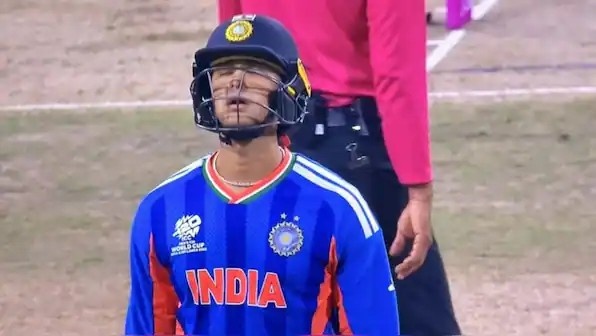
The world’s top-ranked T20I batter walks into the T20 World Cup 2026 with zero runs from two innings. Abhishek Sharma, who dominated bowlers throughout 2025, now finds himself stuck in a rough patch at the worst possible time.
A golden duck against the USA and a four-ball duck against Pakistan paint a grim picture on paper. Yet, Team India shows no signs of panic. The management, former cricketers, and teammates all stand firmly behind the 25-year-old opener.
2 Ducks In 2 WC Matches
The numbers from his recent slump tell a worrying story. Abhishek has fallen for ducks four times in his last seven T20I innings. He became only the third player from a full-member nation to register ducks in his first two T20 World Cup matches.
A stomach infection before the tournament also disrupted his preparation. He missed the Namibia game entirely after a hospital visit in Delhi. These factors have combined to create a difficult start for someone who entered the tournament as India’s most dangerous weapon at the top.
But context matters. Abhishek Sharma did not reach the number one ranking by accident. He scored over 700 T20I runs in 2025 alone, breaking records held by Rohit Sharma and Shikhar Dhawan for the most runs by an Indian opener in a calendar year. His 135 against England and a 314-run haul in the Asia Cup showed a player operating at a different level. His career strike rate of over 193 in T20Is confirms his ability to change games within a few overs.
Why The Team Management Refuses To Hit The Panic Button
India’s leadership group understands that aggressive batters go through such phases. Captain Suryakumar Yadav picked Abhishek for the Pakistan game despite the golden duck against the USA. That decision signals trust. Management clearly values his match-winning ability despite two poor outings. Replacing a player of his caliber after a couple of failures would send the wrong message to the entire squad.
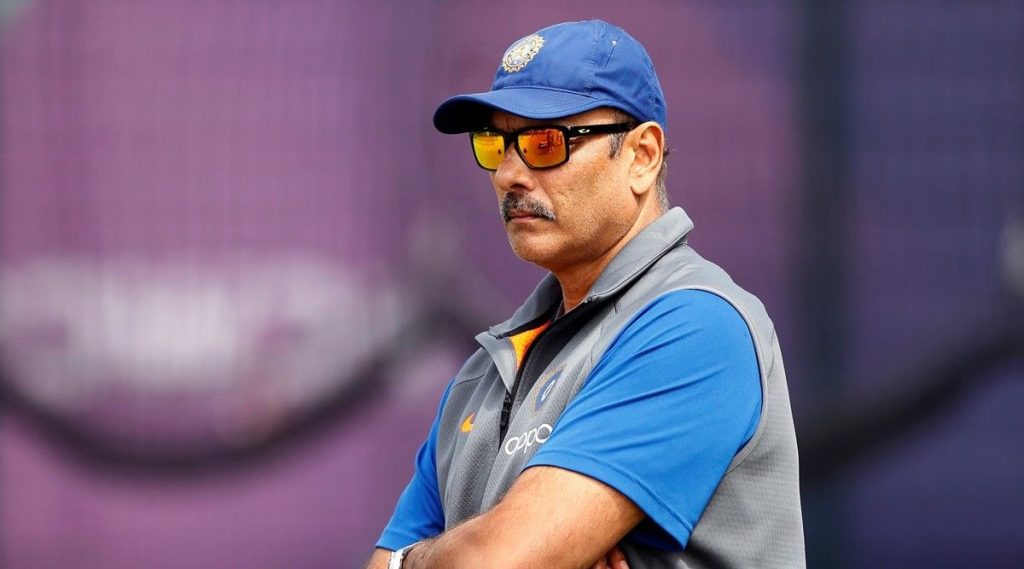
Former India head coach Ravi Shastri offered a measured take on the situation. He advised Abhishek to be patient early in his innings and give himself time to settle. Shastri expressed full confidence that the opener will find his rhythm soon. The advice points to a tactical adjustment rather than a fundamental flaw. Abhishek tends to attack from ball one, but the slower pitches in Sri Lanka demand a brief period of caution before launching the assault.
Harbhajan Singh echoed similar support. He reminded fans and critics that Abhishek had dismantled bowling attacks just weeks earlier during the New Zealand series. In those five matches, Abhishek scored 182 runs at a strike rate of nearly 250. That kind of form does not vanish overnight. A player who hits those heights carries the ability to return there quickly.
The Role of Physical Fitness In His Early Struggles
One detail that many observers overlook is the stomach infection that hit Abhishek before the tournament began. He played the USA game while unwell and could not even take the field during India’s bowling innings. The illness forced him out of the Namibia match entirely. He only regained full fitness on the eve of the Pakistan game. Playing a high-pressure World Cup while recovering from illness puts any athlete at a disadvantage. His timing, reflexes, and mental sharpness may have suffered more than the scorecards reveal.
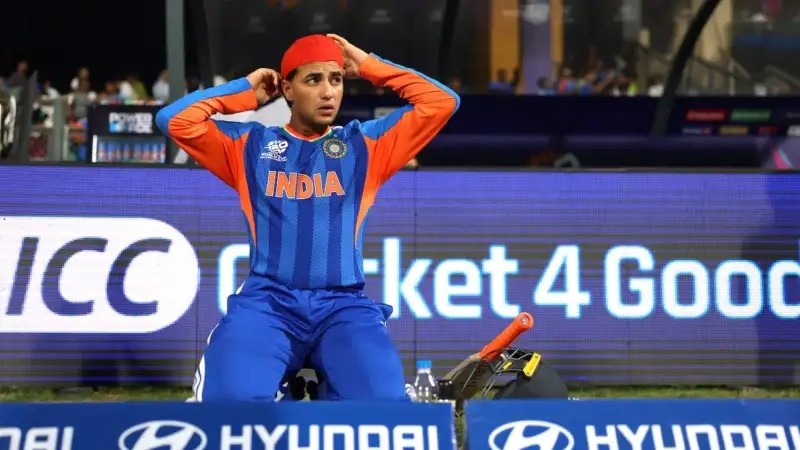
The conditions in Colombo also deserve attention. The R. Premadasa pitch played slowly, and the ball repeatedly stopped on the surface. Even Shastri acknowledged that no batter found it easy during the India-Pakistan clash. A slow pitch punishes batters who rely on timing and clean ball-striking. Abhishek’s natural game thrives on pace and bounce, which makes these conditions especially tricky for him.
What Lies Ahead For Abhishek In This Tournament
India still has group-stage matches remaining, and the knockout rounds will bring fresh pitches and new challenges. Abhishek needs just one good innings to silence the noise. His track record proves he can produce explosive performances when it matters most. The 141 he smashed off 55 balls in the IPL and his record-breaking Asia Cup campaign serve as reminders of his ceiling.
The Indian team environment clearly protects its young stars during rough patches. Rather than adding external pressure, the support system around Abhishek encourages him to follow his instincts. That approach has worked before with other Indian batters who struggled early in tournaments and peaked when it mattered. Abhishek Sharma sits at a crossroads in this World Cup. The talent, the record, and the backing all point toward a strong comeback. India bets on his ability to deliver when the stakes rise higher.