
Cricket is often called the gentleman’s game, known for its skill, respect, and fair play. However, not every chapter in its history has been positive. Over the years, a few players have damaged the sport’s reputation after being involved in betting and match-fixing scandals.
Well-known cricketers such as Mohammad Azharuddin, Hansie Cronje, Mohammad Amir, and S. Sreesanth were all caught in controversies that led to serious bans and major consequences for their careers.
In this blog, we explore cricketers who were banned because of betting or match-fixing cases, and look at what happened to them afterward.
Top Cricketers Banned For Betting
Take a look at these players, who have been banned after corruption.
| Cricketer | Country | Ban Details | Reason | Current Status |
|---|---|---|---|---|
| Mohammad Azharuddin | India | Life ban (2000); lifted 2012 | Shared info with bookies; Cronje links | MP from Moradabad (2009) |
| Ajay Sharma | India | Life ban (2000); lifted 2014 | Bookmaker contacts; info sharing | Career ended; too old to return |
| Manoj Prabhakar | India | 5 years (2000-2005) | Bookmaker links despite accusations | Coaching, commentary |
| Ajay Jadeja | India | 5 years (2000) | Bookmaker connections; info sharing | Commentary, TV work |
| S. Sreesanth | India | Life ban (2013); lifted 2019 | IPL spot-fixing (Rajasthan Royals) | Returned to domestic cricket |
| Hansie Cronje | South Africa | Life ban (2000) | Admitted fixing; teammate influence | Died in plane crash (2002) |
| Mohammad Amir | Pakistan | 5 years (2010-2015) | Spot-fixing no-balls (Lord’s Test) | Returned intl. cricket; retired 2020 |
| Mohammad Asif | Pakistan | 7 years (2010) | Spot-fixing no-balls | Tried domestic return; retired |
| Danish Kaneria | Pakistan | Life ban (2012) | Spot-fixing in county (Essex 2009) | Ban remains; ongoing appeals |
| Marlon Samuels | West Indies | 2 years (2008) | Shared team info with bookmaker | Returned; key in 2012 T20 WC final |
| Salman Butt | Pakistan | 10 years (2010-2020) | Spot-fixing (Lord’s Test no-balls) | Retired |
| Ankeet Chavan | India | Life ban (2013 IPL) | Spot-fixing as player agent | Banned |
| Ajit Chandila | India | Life ban (reduced) | IPL spot-fixing | Retired |
| Amit Singh | India | 5 years (2013) | Middleman in IPL fixing | Banned |
| TP Sudhindra | India | Life ban (2012) | Spot-fixing in domestic | Banned |
| Mervyn Westfield | England | 5 years (2012) | Spot-fixing in county cricket | Served ban |
| Nasir Jamshed | Pakistan | 10 years (2017 PSL) | Spot-fixing | Served partial ban |
| Khalid Latif | Pakistan | 5 years (2017) | Spot-fixing in PSL | Banned |
| Gulam Bodi | India | Lifetime (2016) | Spot-fixing approach in IPL | Banned |
| Naved Arif | Pakistan | Life ban (2014) | Spot-fixing in county | Banned |
| Ethy Mbhalati | South Africa | 10 years (2016) | Spot-fixing in domestic | Served ban |
| Devon Thomas | West Indies | 5 years (2024) | Match-fixing in Lankan leagues | Banned |
1. Mohammad Azharuddin
Mohammad Azharuddin was a famous Indian batsman and captain. In 2000, the Board of Control for Cricket in India found him guilty of match-fixing. It was said that he shared team and pitch information with bookmakers and also introduced Hansie Cronje to illegal betting.
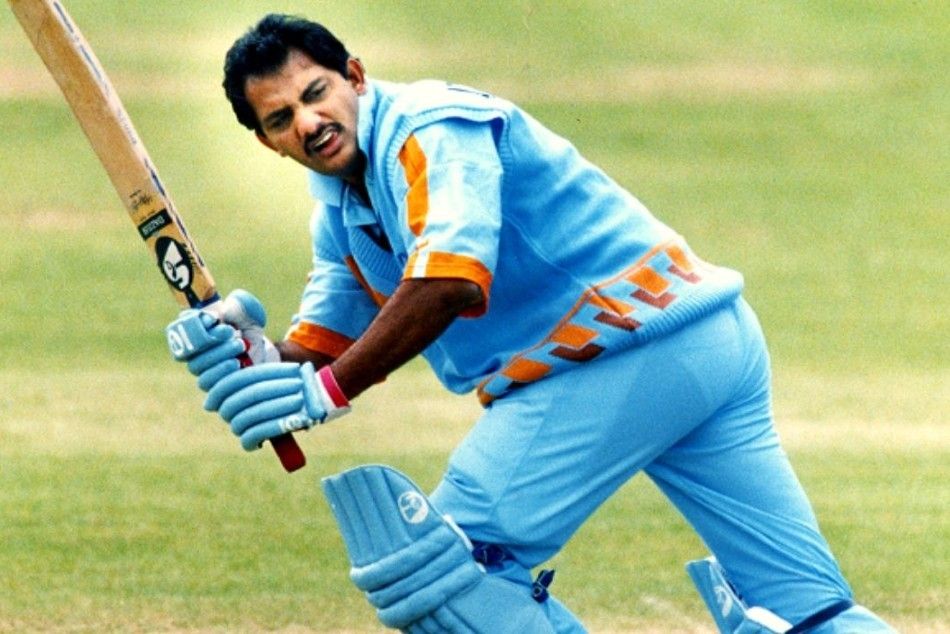
Because of this, he received a life ban from cricket. Later, in 2012, the Andhra Pradesh High Court removed the ban. After cricket, he entered politics and became a Member of Parliament from Moradabad in 2009.
2. Ajay Sharma
Ajay Sharma was a cricketer from Delhi who played a few ODI matches for India. In 2000, an investigation by the BCCI found that he had regular contact with bookmakers and shared information used for illegal betting.
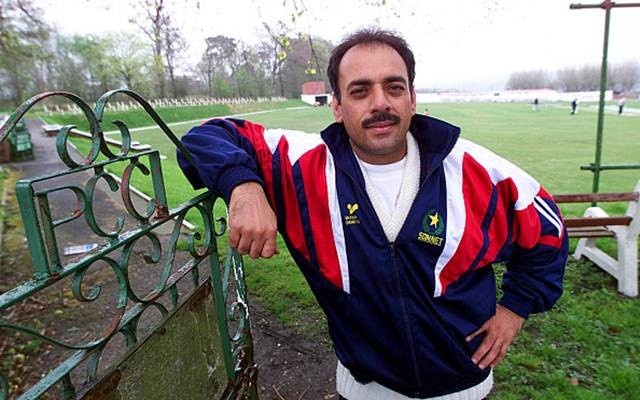
Because of this, he received a life ban from cricket. His career ended suddenly. In 2014, the BCCI later removed his ban, but he was too old to return to professional cricket.
3. Manoj Prabhakar
Manoj Prabhakar was an Indian all-rounder who played in the late 1980s and 1990s. In 2000, he claimed that players like Kapil Dev had offered him money to bowl badly in a match. However, investigations did not support his claims.
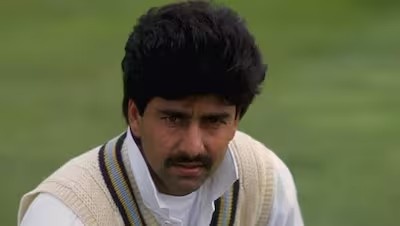
Instead, he was found to have links with bookmakers. Because of this, he received a five-year ban from cricket. After the ban ended, he did not return to professional cricket and later worked in coaching and commentary.
4. Ajay Jadeja
Ajay Jadeja was a popular Indian batsman known for his aggressive ODI batting in the 1990s. During the 2000 match-fixing scandal, he was accused of having connections with bookmakers and sharing information.
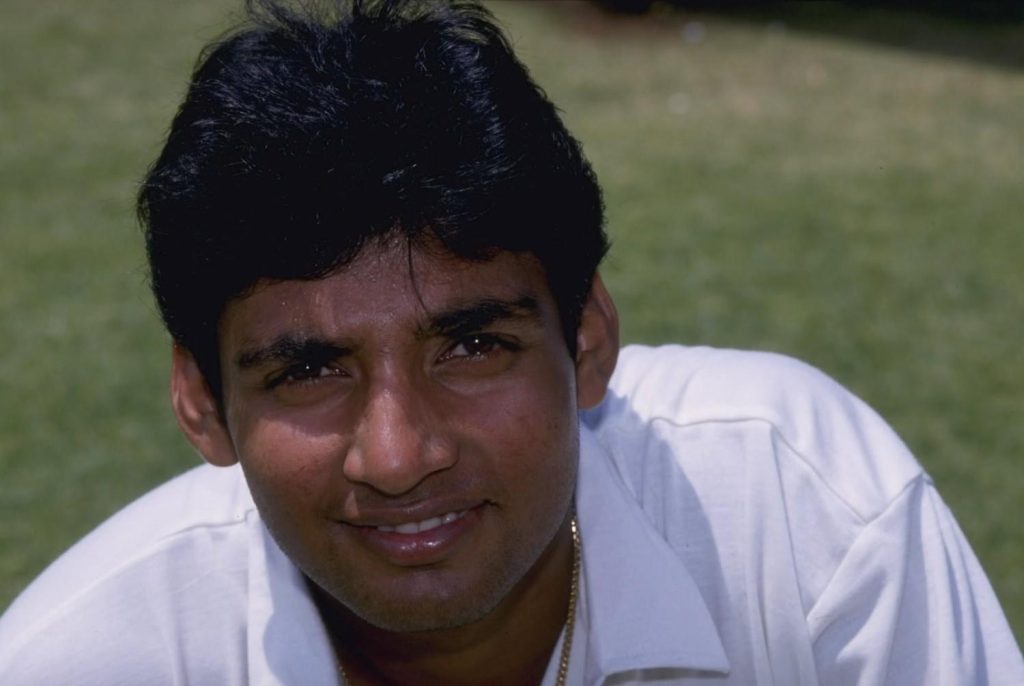
The charges were not as serious as some others, but the BCCI gave him a five-year ban. After the ban, he tried to return to cricket but could not regain his place in the Indian team. Later, he moved into cricket commentary and television work.
5. S. Sreesanth
Sreesanth was an Indian fast bowler from Kerala known for his aggressive bowling. During the 2013 Indian Premier League season, while playing for Rajasthan Royals, he was accused of spot-fixing.
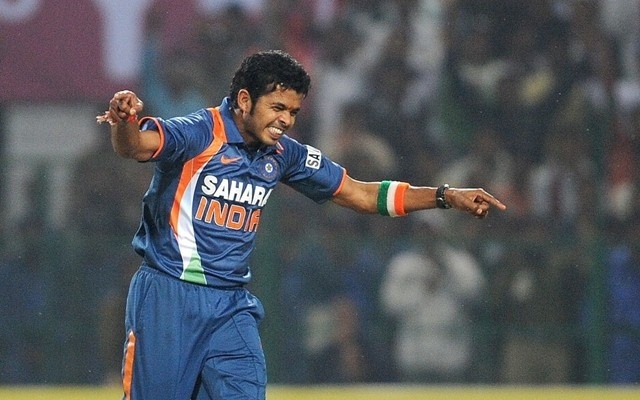
He was arrested by the Delhi Police and later released on bail. The BCCI gave him a life ban from cricket. After several legal battles, the Kerala High Court removed the ban in 2019, allowing him to return to domestic cricket.
6. Hansie Cronje
Hansie Cronje was the captain of the South Africa national cricket team and one of the most respected players in cricket. In 2000, he admitted that he had taken money from bookmakers to share information and influence matches.
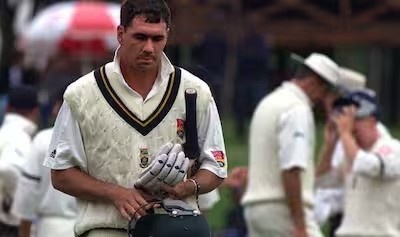
He also said he had asked some teammates to perform badly for money. Because of this, the United Cricket Board of South Africa gave him a life ban from cricket. Cronje later apologized for his actions. Sadly, he died in a plane crash in 2002 at the age of 32.
7. Mohammad Amir
Mohammad Amir was a very talented fast bowler from Pakistan who started his career at a young age. During Pakistan’s 2010 tour of England, he was involved in a spot-fixing scandal.
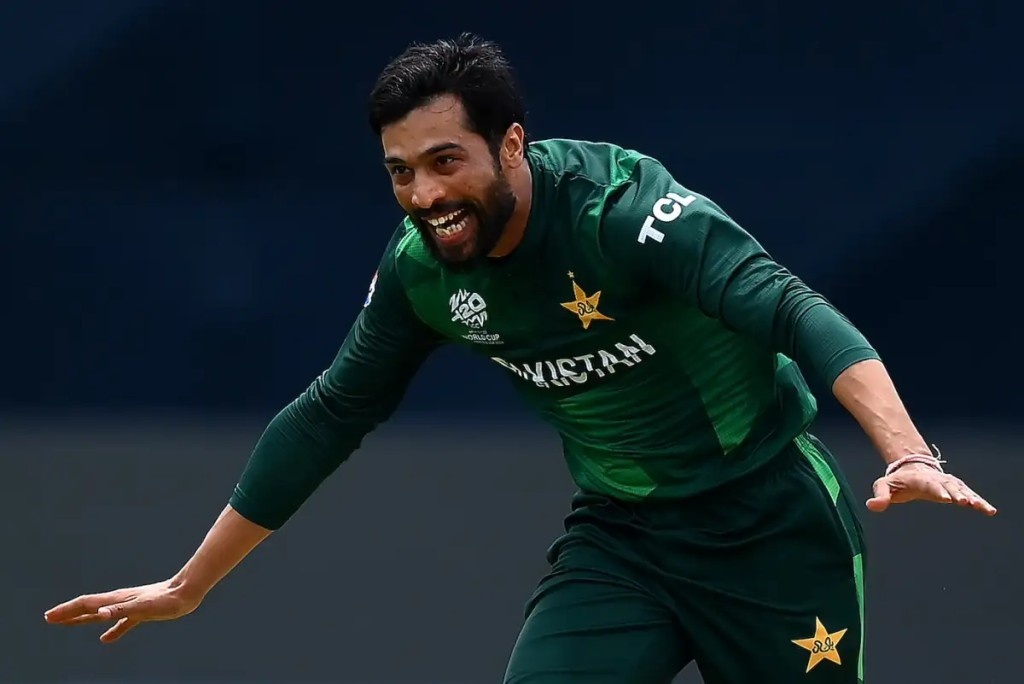
He and teammates bowled planned no-balls for money arranged by a bookmaker. Amir received a five-year ban from the ICC and also faced a court case in the UK. After completing his ban, he returned to international cricket in 2016 and later retired in 2020.
8. Mohammad Asif
Mohammad Asif was a skilled fast bowler known for his swing bowling. He was also involved in the 2010 spot-fixing scandal during Pakistan’s tour of England.
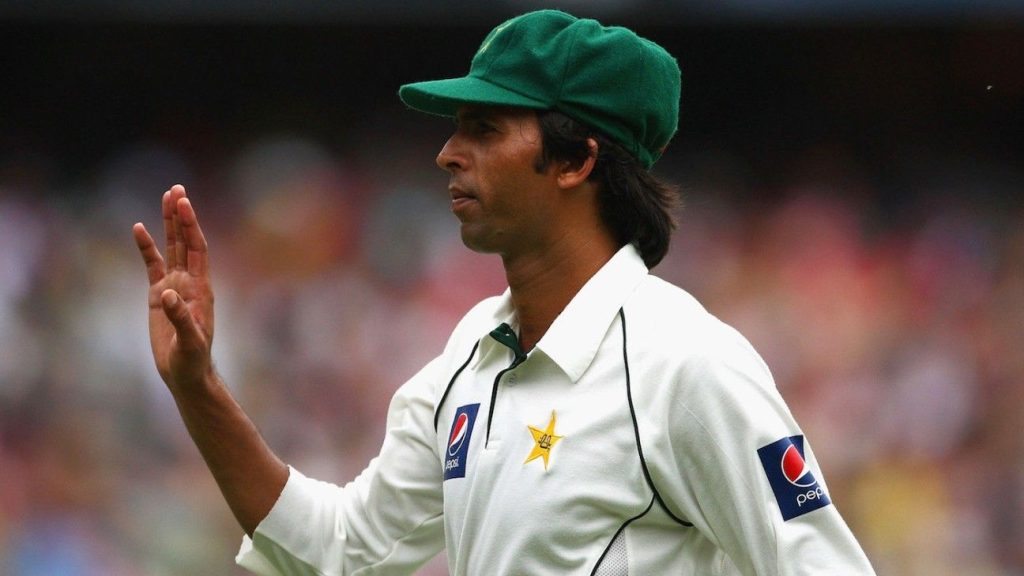
Investigations showed that he bowled no-balls in a Test match for money from bookmakers. The ICC banned him for seven years from all cricket. After the ban ended, he tried to return to domestic cricket but could not regain his earlier form and later retired.
9. Danish Kaneria
Danish Kaneria was a successful leg-spin bowler for the Pakistan national cricket team and took over 250 Test wickets. In 2012, the England and Wales Cricket Board found him guilty of spot-fixing in county cricket while playing for Essex in 2009.
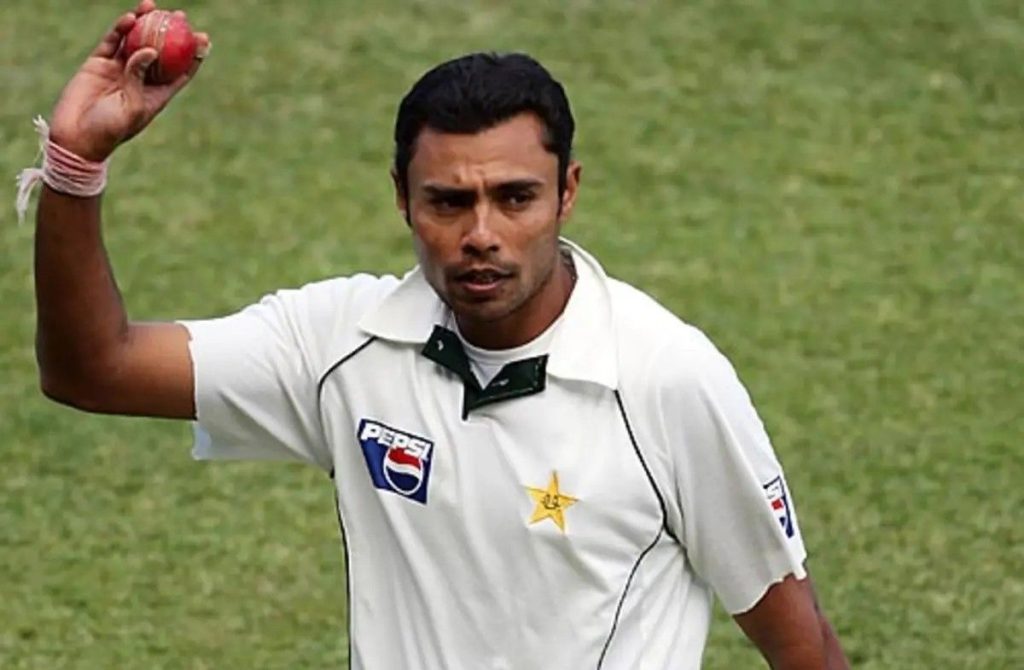
His teammate admitted and said Kaneria introduced him to bookmakers. Because of this, Kaneria received a life ban from cricket, which still remains in place.
10. Marlon Samuels
Marlon Samuels was a talented all-rounder from the West Indies cricket team. In 2008, the International Cricket Council banned him for two years after he was found guilty of sharing team information with a bookmaker during a series against India.

After serving the ban, he returned to cricket and later played important innings, including a match-winning knock in the 2012 T20 World Cup final. He retired from international cricket in 2019.
Other Cricketers Who Got Banned
Salman Butt was Pakistan’s captain during the 2010 Lord’s Test against England, where he, along with Amir and Asif, deliberately bowled no-balls for money. He received a 10-year ban and later retired from cricket.
Ankeet Chavan was a Mumbai spinner playing for the Mumbai Indians in the 2013 IPL when he was caught fixing specific overs in exchange for cash. He received a life ban and never played again.
Mervyn Westfield was an Essex fast bowler who accepted money from a bookmaker to concede runs deliberately in a 2009 county match. He received a five-year ban, cooperated with investigators, and served his punishment.
Nasir Jamshed was a Pakistani opener who was found guilty of approaching teammates to fix matches during the 2017 Pakistan Super League. He was banned for ten years and served a portion of that sentence.
Gulam Bodi was a South African cricketer who acted as a middleman, approaching his own teammates on behalf of bookmakers during the 2015 IPL. He was handed a lifetime ban in 2016 and never returned to professional cricket.
More Related Topics:
Conclusion: Betting Has Damaged Careers of Many Cricketers
Betting scandals have seriously damaged the careers of several cricketers, including Mohammad Azharuddin, Hansie Cronje, and Mohammad Amir. Some players returned after bans, while others never played again. These cases show how strict rules protect the integrity of the game. Cricket authorities now closely monitor corruption to keep the sport fair. Respecting the rules remains essential to protect cricket’s reputation and future.