The ICC is facing widespread backlash over its T20 World Cup 2026 Super 8 format, after a pre-seeding system placed all four group winners in the same group, creating a significant structural imbalance that critics say undermines the entire knockout stage.
The controversy exploded on social media the moment the eight Super 8 teams were confirmed.
The Imbalance: A Group of Winners vs A Group of Runners-Up
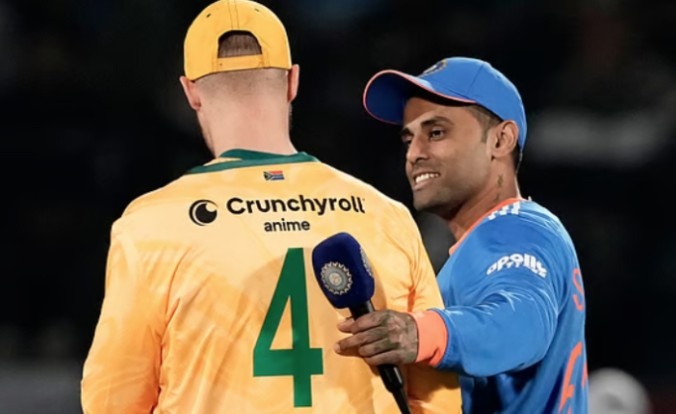
Group 1 contains India, Zimbabwe, the West Indies, and South Africa, all of whom topped their respective groups. Group 2 has Pakistan, Sri Lanka, England, and New Zealand, four teams that finished second in their groups.
The result is a lopsided bracket where at least two of the tournament’s strongest sides will be eliminated before the semi-finals, while runners-up enjoy a comparatively easier path to the final four.
The format strips away any real incentive for finishing first in the group stage. South Africa, for example, won their group but carries a lower seed than New Zealand, which only finished second.
Co-host Sri Lanka faces an additional disadvantage. If they advance to the semi-finals, the pre-set bracket forces them to travel to India, denying their home crowd the chance to watch them at the R Premadasa Stadium in Colombo.
The ICC has acknowledged the criticism but pointed to logistical necessity. Co-hosting a tournament across two countries requires venues and schedules to be locked in well before the group stage concludes, making pre-seeding unavoidable, the governing body said.