The Marylebone Cricket Club (MCC) has confirmed a new edition of the Laws of Cricket that will take effect from October 2026. The updated laws feature several amendments focused on tightening definitions around dismissals, ball control, overs completion, and player positioning rather than introducing wholesale changes to the game.
Key revisions aim to provide umpires with clearer guidance in marginal decisions, particularly concerning run-outs, stumpings, wicketkeeper positioning, and boundary catches.
The amendments also codify practices already adopted by the ICC while ensuring greater clarity and consistency in decision-making, especially in high-pressure matches where marginal calls are increasingly scrutinized.
Key Amendments In The New Cricket Laws
- Ball Control: Mere contact with the ball is insufficient for dismissals; complete control required when breaking stumps
- Final Over Completion: Incoming batters must face remaining deliveries of the day’s final over after a wicket falls
- Wicketkeeper Positioning: ‘Keepers required to be wholly behind striker’s stumps only after ball release, not during run-up
- Dead Ball Definition: Umpires granted greater discretion to call dead ball when stationary or held by non-wicketkeeper
- Hit Wicket Clarification: Batters remain in act of receiving ball until balance regained; protection when fielder contact causes dismissal
- Overthrows Redefinition: Distinguished from misfields; limited to throws at stumps attempting run-outs or preventing runs
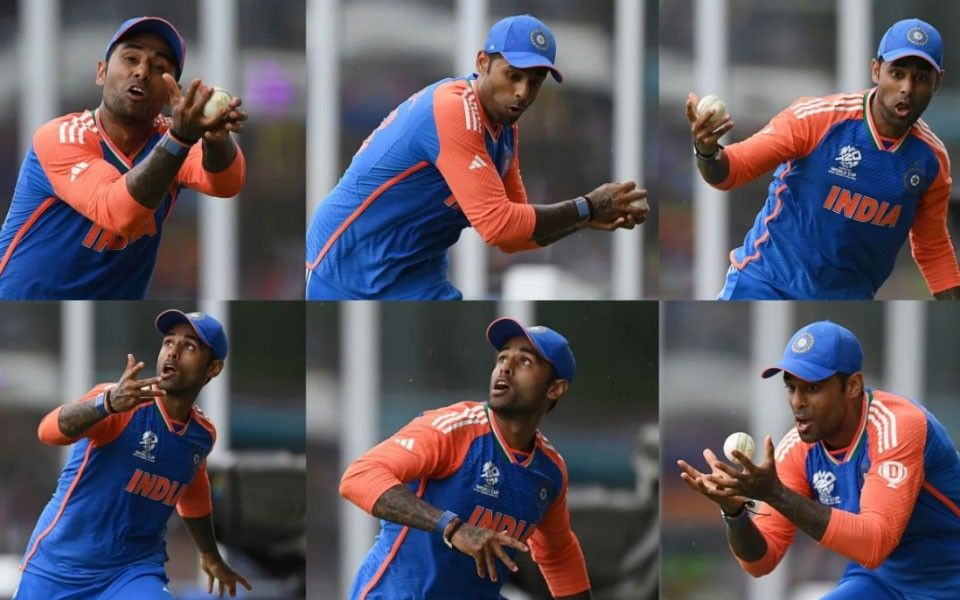
- Boundary Catches: Eliminates ‘bunny hop’; requires all ground contact within field of play after airborne ball contact
- Deliberate Short Running: All runs disallowed, five penalty runs awarded to fielding side, captain chooses striker
- Ball Specifications: Uniform size and weight tolerances for men’s, women’s, and junior cricket balls
- Laminated Bats: Type D bats permitted at open-age levels, subject to national governing body restrictions
Detailed Explanation of Major Law Changes
Ball Control in Dismissals
One of the most significant updates addresses the longstanding debate around ball control in run-out and stumping decisions. The revised laws explicitly state that simply brushing the ball with a hand or glove while dislodging the bails will no longer constitute a valid dismissal. The fielder must hold the ball with complete control at the moment the stumps are broken, providing umpires with clearer criteria for marginal decisions.
Multi-Day Match Over Completion
In multi-day cricket, the final over of each day’s play will now be completed even if a wicket falls during it. This ensures incoming batters must face the remaining deliveries, conditions permitting, rather than play ending immediately after dismissal—maintaining competitive balance and preventing strategic manipulation.
Wicketkeeper Positioning Modernization
The MCC has refined wicketkeeper positioning requirements to reflect modern officiating standards and increased use of technology. Wicketkeepers must now be wholly behind the striker’s stumps only after the ball has been released, rather than during the bowler’s run-up, allowing greater flexibility in their initial positioning.
Boundary Catch Standardization
The clarification on boundary catches eliminates the controversial ‘bunny hop’ technique by requiring all subsequent ground contact to be within the field of play after airborne contact with the ball. This amendment aligns with ICC practices and removes ambiguity in spectacular boundary-line catches that have previously sparked debate.