The historic Eden Park is the smallest cricket stadium in the world, with a seating capacity of about 42,000 and a boundary size of 55 m. According to ICC rules, minimum boundary sizes should be above 55 m, but this rule does not apply to grounds that were already hosting international cricket before 1 October 2007. Eden Park has hosted cricket since 1930.
Interestingly, India has 3 of the top 10 smallest stadiums, with Holkar Cricket Stadium, Arun Jaitley Stadium, and Eden Gardens.
In this blog, we explore the top 10 smallest cricket stadiums in the world based on their boundary size.
Smallest Stadium in the World
Here are the top 10 lowest cricket stadiums in the world.
| Rank | Stadium | Location | Boundary Size | Capacity |
|---|---|---|---|---|
| 1 | Eden Park | Auckland, New Zealand | 55m | 42,000 |
| 2 | Holkar Cricket Stadium | Indore, India | 56m (square) | 30,000 |
| 3 | Sharjah Cricket Stadium | Sharjah, UAE | 58m | 16,000 |
| 4 | Edgbaston Cricket Ground | Birmingham, England | 59m (square) | 25,000 |
| 5 | Arun Jaitley Stadium | Delhi, India | 64m | 42,800 |
| 6 | Daren Sammy International Cricket Stadium | Gros Islet, St. Lucia | 65m | 15,000 |
| 7 | Lord’s Cricket Ground | London, England | 65m | 30,000 |
| 8 | Wanderers Stadium | Johannesburg, South Africa | 64m | 34,000 |
| 9 | Eden Gardens | Kolkata, India | 66m | 66,000 |
| 10 | Grace Road | Leicester, England | 76m | 5,000 |
1. Eden Park, Auckland, New Zealand
- Capacity: 42,000
- Boundary: 55 meters
- Established: 1900
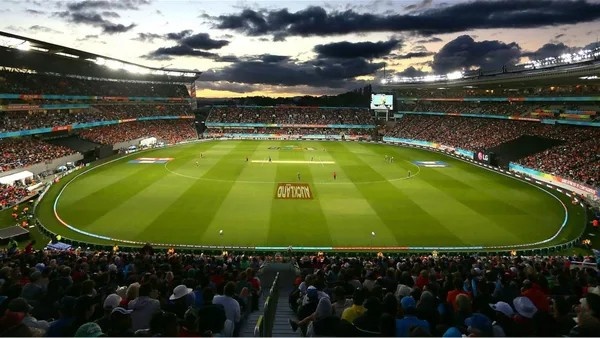
Eden Park in Auckland is known as one of the smallest cricket grounds in the world because of its short boundaries. The straight boundary is only about 55 meters, which makes it easier for batters to hit sixes.
The stadium has a rectangular shape and is also used for rugby matches. Even though the playing area is small, it can hold around 42,000 spectators. Because of the short boundaries, the ground usually produces high-scoring matches, and it is very difficult for bowlers to defend totals here.
2. Holkar Cricket Stadium, Indore, India
- Capacity: 30,000
- Boundary: 56 meters (square)
- Established: 1990s
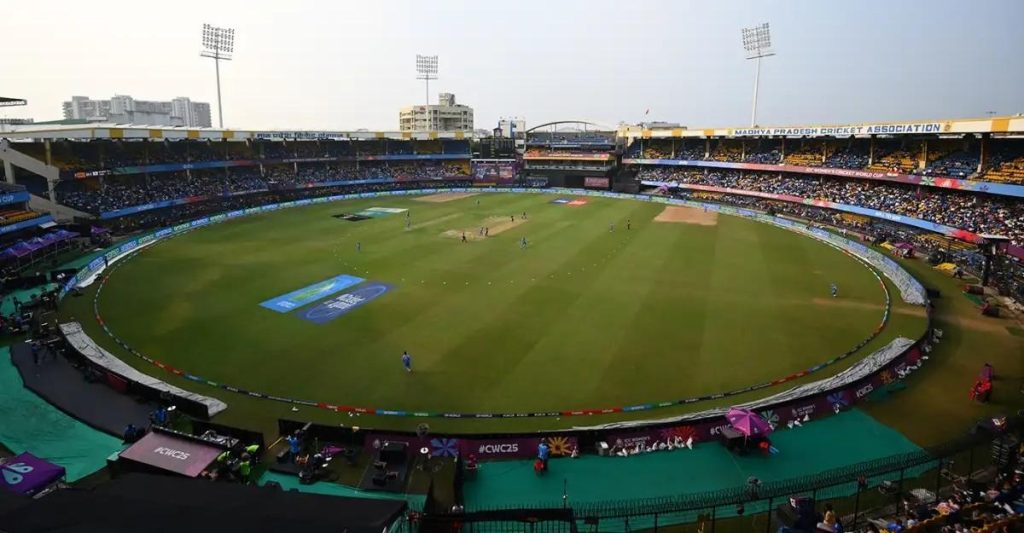
Holkar Cricket Stadium in Indore is the second smallest cricket stadium in the world by boundary size. The square boundaries are about 56 meters, and sometimes even 54 meters, which makes it very easy for batters to score runs.
The straight boundary is a little longer at around 68 meters, but the short square sides still worry bowlers. This ground is known for high scores. In fact, Virender Sehwag scored his famous 219 runs in ODI cricket at this stadium.
3. Sharjah Cricket Stadium, Sharjah, UAE
- Capacity: 16,000
- Boundary: 58 meters
- Established: 1982
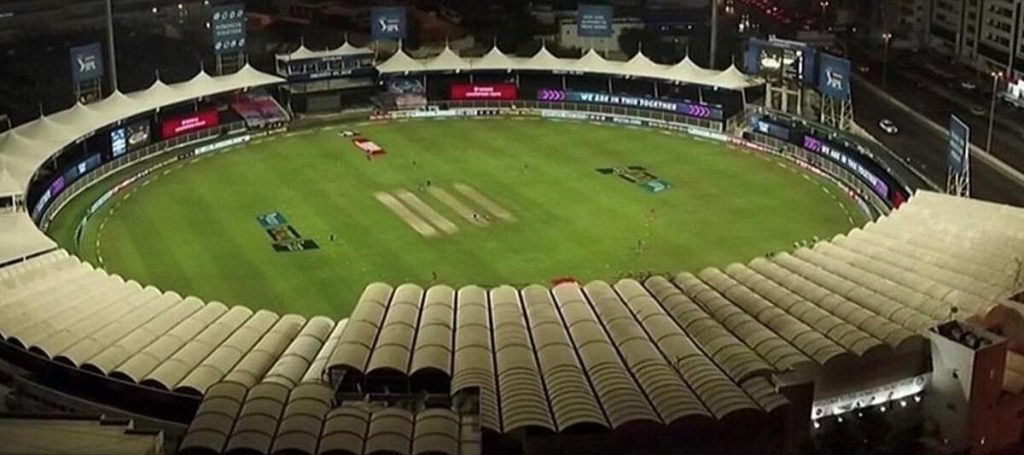
Sharjah Cricket Stadium is one of the most famous cricket grounds in the world. It is located in Sharjah. The straight boundary here is about 58 meters, while the other boundaries are around 62 to 68 meters.
Unlike many small grounds, the pitch in Sharjah often helps spin bowlers. The ball can turn and stay low, which makes batting a bit harder at times. The stadium has hosted matches in the ICC Men’s T20 World Cup and the Indian Premier League. Even with its small size, it remains an important venue for international cricket.
4. Edgbaston Cricket Ground, Birmingham, England
- Capacity: 25,000
- Boundary: 59 meters (square)
- Established: 1882
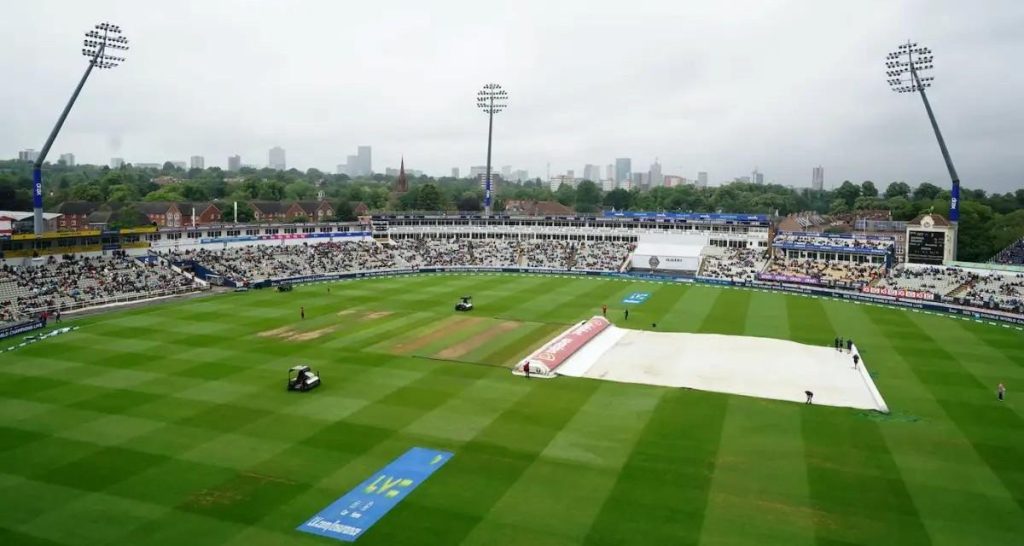
Edgbaston Cricket Ground in Birmingham is one of England’s most important cricket stadiums, but it also has quite short boundaries. The square boundaries are around 59–60 meters, and during the 2017 Champions Trophy they were as short as 42 meters, which led to criticism from players and fans.
The ground has 8–9 pitches in the playing area, which makes the field smaller. Former India captain Virat Kohli openly criticised its short boundaries during a World Cup match, showing how much the size impacts high-level cricket.
5. Arun Jaitley Stadium, Delhi, India
- Capacity: 41,842
- Square Boundary: 64m
- Established: 1883
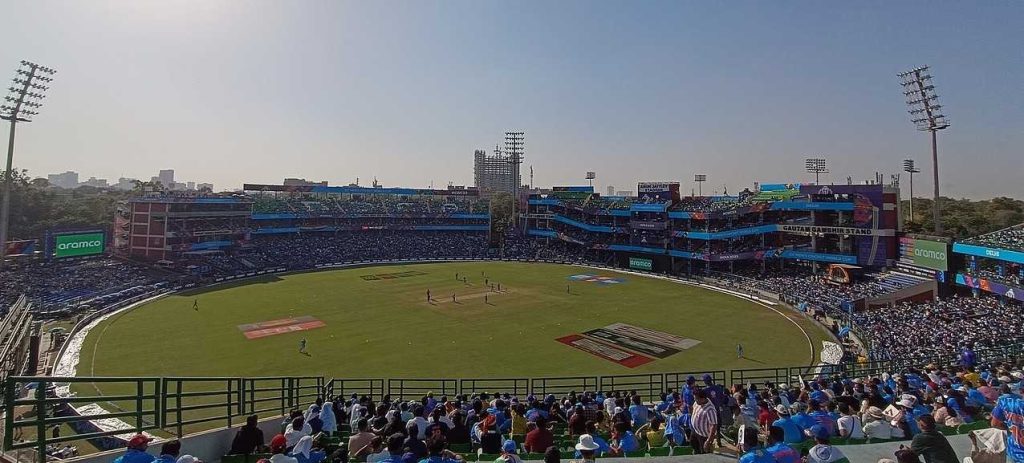
Arun Jaitley Stadium in New Delhi has unusual boundary sizes that change from one side to another. The square boundaries are usually around 64 meters, while the long-on and long-off boundaries are shorter at 56–58 meters, making them some of the shortest in Indian cricket.
On the other side, some boundaries can reach 70–71 meters, giving the ground an uneven shape. Over the years, the pitch has also changed. It was once slow and helpful for bowlers, but now it is mostly flat and good for batting. The stadium has also helped shape the careers of players like Virat Kohli, Virender Sehwag, and Ashish Nehra.
6. Daren Sammy International Cricket Stadium, Gros Islet, St. Lucia
- Capacity: 15,000
- Boundary: 65 meters
- Established: 2002
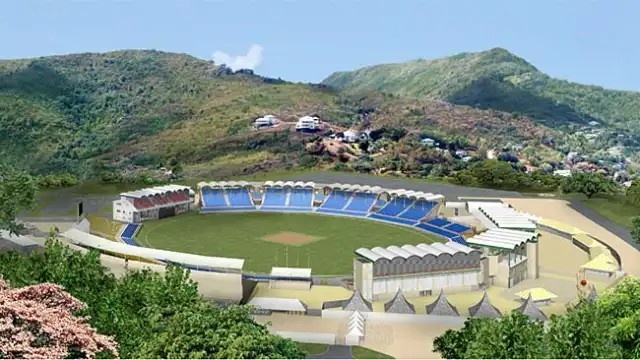
Daren Sammy Cricket Ground in St. Lucia is named after former West Indies cricket team captain Daren Sammy, who led the team to two ICC Men’s T20 World Cup titles. The stadium has boundaries of around 65 meters, which makes it one of the smaller international grounds in the Caribbean.
It is a modern venue with facilities like a gym, player lounge, balcony, and conference rooms for teams. Although it does not host many Test matches, it is still an important part of West Indies cricket and even hosted six matches in the 2024 T20 World Cup.
7. Lord’s Cricket Ground, London, England
- Capacity: 30,000
- Boundary: 65 meters
- Established: 1814
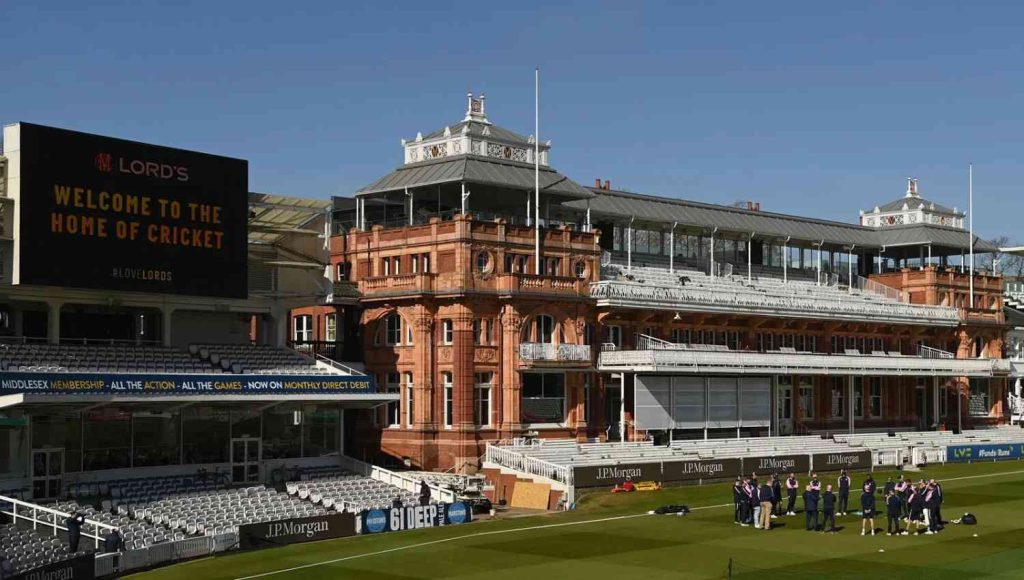
Lord’s Cricket Ground in London is known as the “Home of Cricket.” It is also one of the smaller international grounds, with boundaries of about 65 meters.
What makes Lord’s special is its famous slope across the field. Because of this uneven surface, bowlers often need to adjust their line and length while bowling. Even with its smaller boundaries, Lord’s is one of the most respected venues in cricket, and playing here is considered a great honour for any cricketer.
8. Wanderers Stadium, Johannesburg, South Africa
- Capacity: 34,000
- Boundary: 64 meters
- Established: 1956
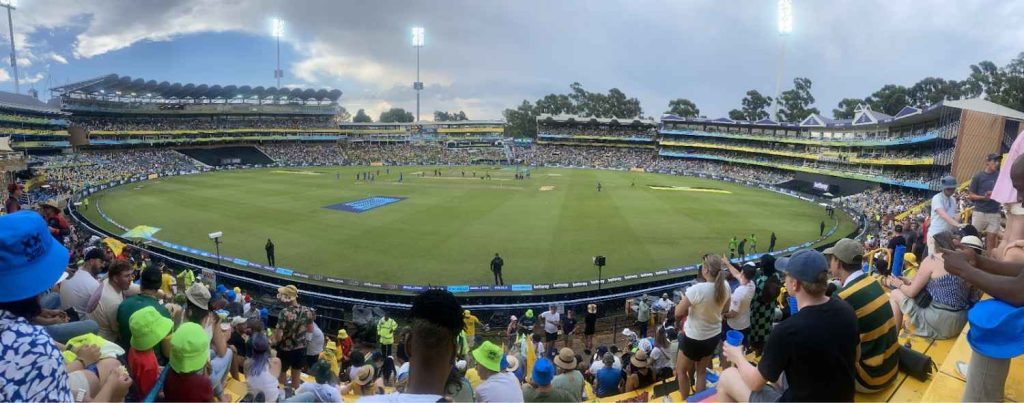
Wanderers Stadium in Johannesburg is also known as the “Bullring.” It is one of the smaller cricket grounds, with boundaries of about 64 meters. The stadium got its nickname because the steep stands around the field create a loud and intense atmosphere for visiting teams.
The first international match here was played in 1956, and it has been an important venue for the South Africa national cricket team ever since. With short boundaries and flat pitches, the ground often produces high-scoring matches.
9. Eden Gardens, Kolkata, India
- Capacity: 66,000
- Boundary: 66 meters
- Established: 1864
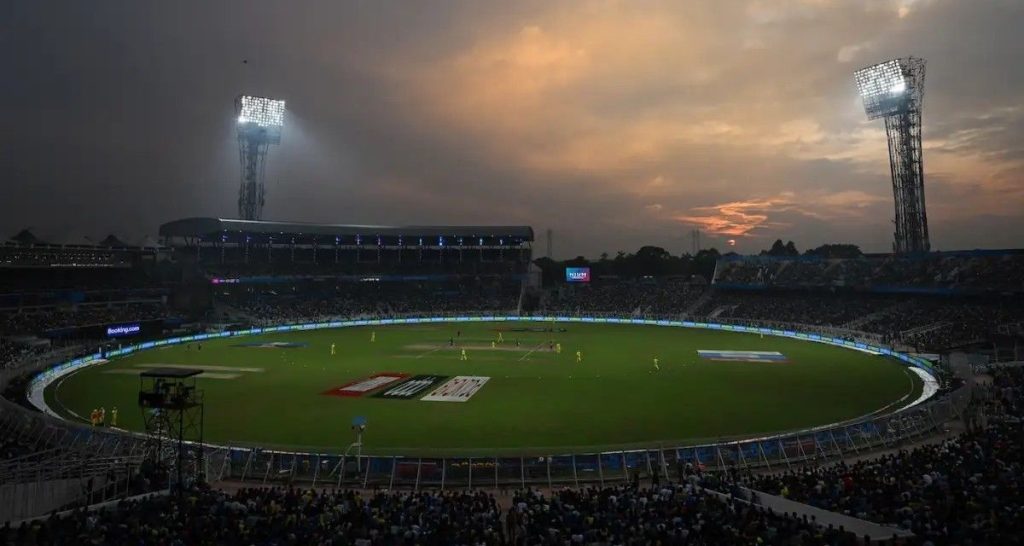
Eden Gardens in Kolkata is one of the most legendary cricket stadiums in the world, and with a boundary of 66 meters, it is also among the smallest. It is the largest stadium on this list by seating capacity, holding up to 66,000 fans, which creates one of the loudest and most electric atmospheres in all of cricket. It is the home ground of the Kolkata Knight Riders in the IPL and has hosted some of India’s biggest matches over the decades.
10. Grace Road, Leicester, England
- Capacity: 5,000
- Boundary: 76 meters
- Established: 1878
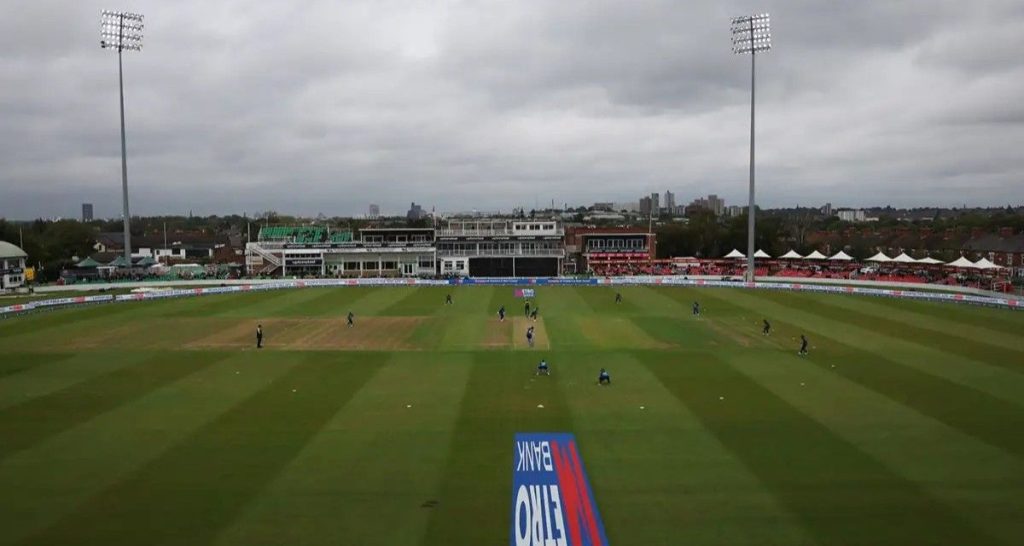
Grace Road in Leicester is the home of Leicestershire County Cricket Club and one of the smaller international grounds in England, with a boundary of 76 meters. It has a long history going back to the 1800s and was briefly owned by a school after the Second World War before Leicestershire bought it back and invested heavily in redevelopment. Through the 1970s and 80s, it hosted multiple important matches, and it was part of the 1999 ODI World Cup schedule.
Conclusion: Eden Park Is The Smallest Stadium In The World
The world’s smallest cricket stadium is Eden Park, with a boundary of 55 meters, followed by the Holkar and Sharjah Cricket Grounds. Being the smallest, they offer modern facilities and great playing experiences for cricket fans. As cricket continues to grow, these iconic venues will remain an important part of the sport’s global excitement.