The ICC Men’s T20 World Cup 2026 began on February 07, 2026, marking the ninth edition of the tournament since it started in 2007. Across these editions, several bowlers have built remarkable records through consistent performances on the biggest T20 stage.
Shakib Al Hasan remains the highest wicket-taker in T20 World Cup history with 50 wickets in 43 matches. He is followed by Adam Zampa and Adil Rashid, who both have 44 wickets each, while Rashid Khan sits close behind with 43 wickets.
Several modern bowlers, including Jasprit Bumrah and Wanindu Hasaranga, are also rapidly climbing the list. Here is the updated list of the top 20 highest wicket takers in T20 World Cup history.
Top 20 Highest Wicket Takers In The T20 World Cup
Let’s have a look at the players with the most wickets in the T20 World Cup history.
| Player | Span | Matches | Overs | Wickets | BBI | Average | Economy |
|---|---|---|---|---|---|---|---|
| Shakib Al Hasan (BAN) | 2007-2024 | 43 | 146.3 | 50 | 4/9 | 20.12 | 6.86 |
| A Zampa (AUS) | 2016-2026 | 25 | 93.2 | 44 | 5/19 | 13.84 | 6.52 |
| AU Rashid (ENG) | 2009-2026 | 38 | 137.0 | 44 | 4/2 | 22.36 | 7.18 |
| Rashid Khan (AFG) | 2016-2026 | 27 | 103.2 | 43 | 4/9 | 15.30 | 6.36 |
| JJ Bumrah (IND) | 2016-2026 | 26 | 96.2 | 40 | 4/15 | 13.65 | 5.66 |
| PW Hasaranga (SL) | 2021-2026 | 20 | 76.2 | 40 | 3/8 | 11.47 | 6.01 |
| Shahid Afridi (PAK) | 2007-2016 | 34 | 135.0 | 39 | 4/11 | 23.25 | 6.71 |
| A Nortje (SA) | 2021-2026 | 21 | 79.5 | 38 | 4/7 | 12.00 | 5.71 |
| SL Malinga (SL) | 2007-2014 | 31 | 102.4 | 38 | 5/31 | 20.07 | 7.43 |
| Saeed Ajmal (PAK) | 2009-2014 | 23 | 89.2 | 36 | 4/19 | 16.86 | 6.79 |
| TG Southee (NZ) | 2010-2024 | 25 | 92.1 | 36 | 3/4 | 17.91 | 6.99 |
| Arshdeep Singh (IND) | 2022-2026 | 22 | 80.0 | 36 | 4/9 | 17.36 | 7.81 |
| BAW Mendis (SL) | 2009-2014 | 21 | 78.3 | 35 | 6/8 | 15.02 | 6.70 |
| Umar Gul (PAK) | 2007-2014 | 24 | 82.4 | 35 | 5/6 | 17.25 | 7.30 |
| TA Boult (NZ) | 2014-2024 | 18 | 71.4 | 34 | 4/13 | 12.50 | 5.93 |
| K Rabada (SA) | 2016-2026 | 29 | 104.2 | 33 | 3/18 | 25.54 | 8.07 |
| HH Pandya (IND) | 2016-2026 | 33 | 94.0 | 33 | 3/20 | 24.57 | 8.62 |
| R Ashwin (IND) | 2012-2022 | 24 | 85.0 | 32 | 4/11 | 17.25 | 6.49 |
| MA Starc (AUS) | 2012-2024 | 25 | 97.0 | 32 | 3/20 | 25.43 | 8.39 |
| Shaheen Shah Afridi (PAK) | 2021-2026 | 22 | 82.1 | 31 | 4/22 | 19.61 | 7.39 |
Out of the top 20 wicket takers in T20 World Cup history, let’s take a closer look at the top 12 players and their performances in detail.
1. Shakib Al Hasan: 50 Wickets
Shakib Al Hasan is the leading wicket-taker in the T20 World Cup history. Between 2007 and 2024, he played 43 matches, bowling 146.3 overs and picking up 50 wickets.
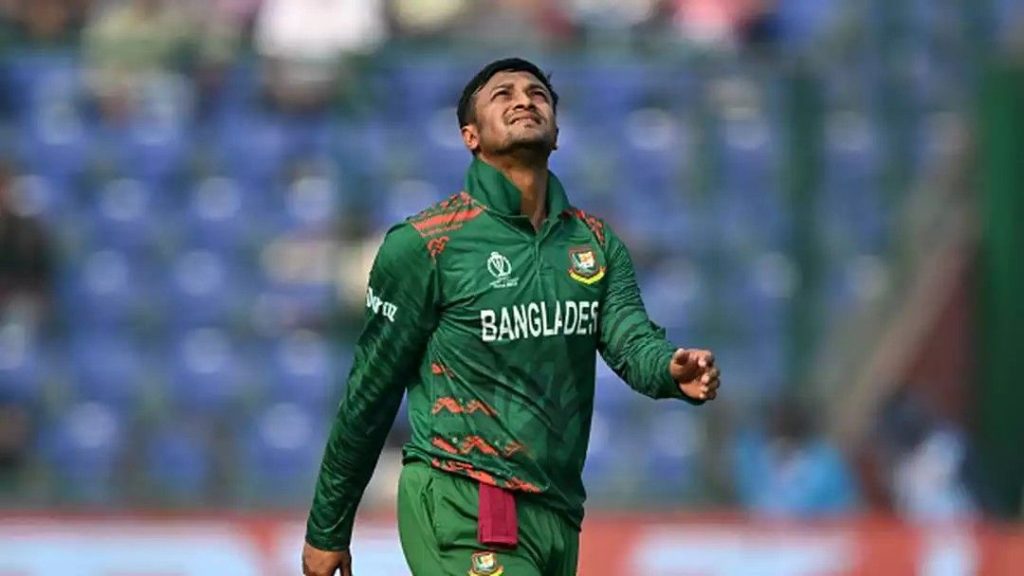
His best bowling figure stands at 4 for 9, while maintaining an impressive economy rate of 6.86. Notably, Shakib Al Hasan is the only player, after Rohit Sharma, to feature in every T20 World Cup edition.
2. Adam Zampa: 44 Wickets
Adam Zampa recorded 44 wickets across the 2016–2026 T20 World Cup span, with a best return of 5 for 19. He delivered 78 overs, finished with a bowling average of 13.69, and kept an economy rate of 6.32.

With sharp googlies and flippers, Zampa’s control proved vital for Pakistan’s campaigns, as he kept runs tight and took wickets at key phases.
3. AU Rashid: 44 Wickets
Adil Rashid has been one of England’s most reliable bowlers in T20 World Cup history. Across 38 matches between 2009 and 2026, the leg spinner has taken 44 wickets, placing him among the tournament’s leading wicket takers.
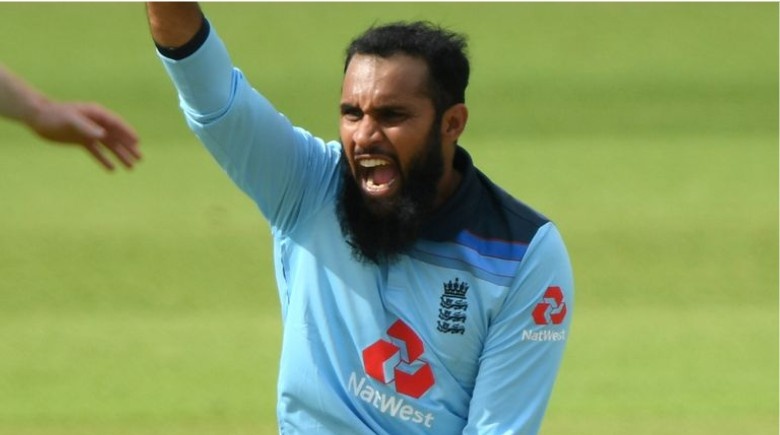
His best figures of 4/2 highlight his ability to turn games quickly, while maintaining an economy rate of 7.18 in high pressure matches.
4. Rashid Khan: 43 Wickets
The mystery spinner Rashid Khan took 43 wickets in 27 matches in the T20 World Cups. His best bowling figures stand at 4 for 9, with a bowling average of 14.89 and an economy rate of 6.3.
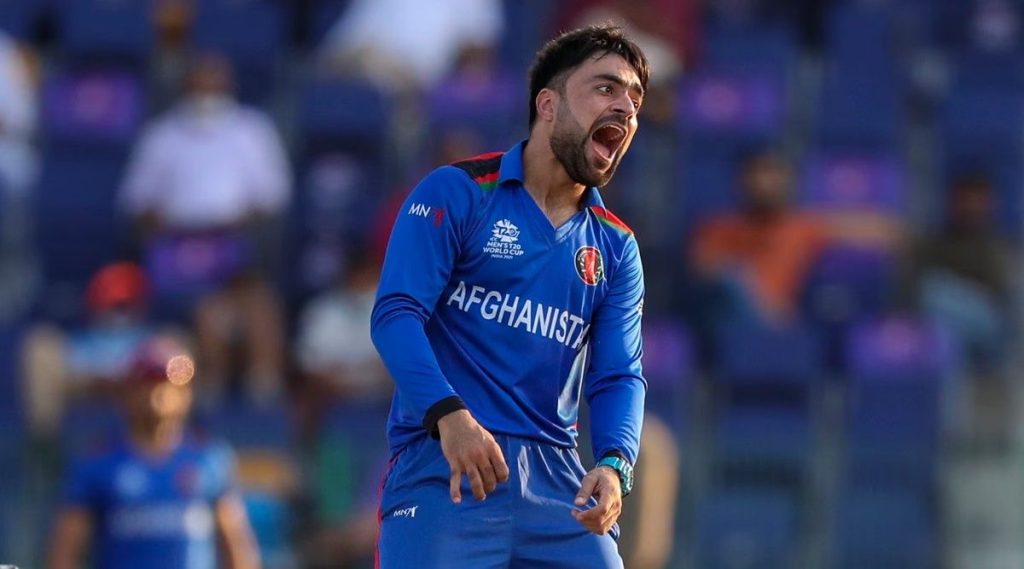
These performances spanned 2016 to 2026, highlighting his role as a key bowling option for Afghanistan in the tournament. Let us tell you, he is the leading wicket-taker in the T20IS, with 187 wickets in 111 matches.
5. Jasprit Bumra: 40 Wickets
Jasprit Bumrah has been one of India’s most effective bowlers in T20 World Cup matches. Between 2016 and 2026, the right arm fast bowler has taken 40 wickets in 26 games.
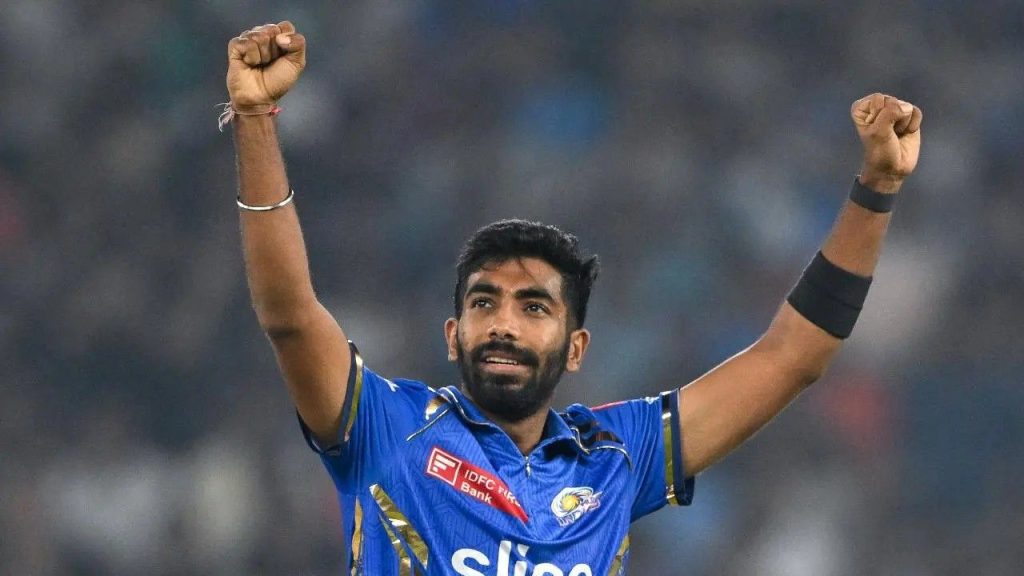
His best figures of 4/15 reflect his ability to deliver breakthroughs, especially in pressure overs. Bumrah also maintains an impressive economy rate of 5.66, one of the best among bowlers on this list.
6. Wanindu Hasaranga: 40 Wickets
Wanindu Hasaranga made a strong impact in the T20 World Cups between 2021 and 2026. He played 20 matches and took 40 wickets, demonstrating his ability to take wickets under pressure.
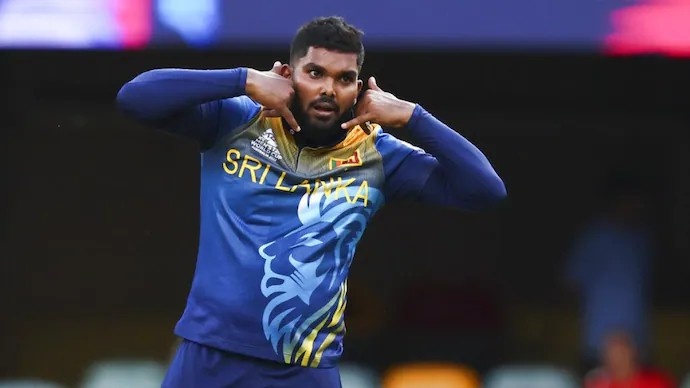
Hasaranga’s bowling average is 11.47, and his economy rate is 6.00, making him one of the most successful spinners in the tournament during this period as he achieved these numbers across only three T20 World Cup editions.
7. Shahid Afridi: 39 Wickets
Shahid Afridi played a key role for Pakistan in the T20 World Cups between 2007 and 2016. During this period, he played 34 matches and took 39 wickets.
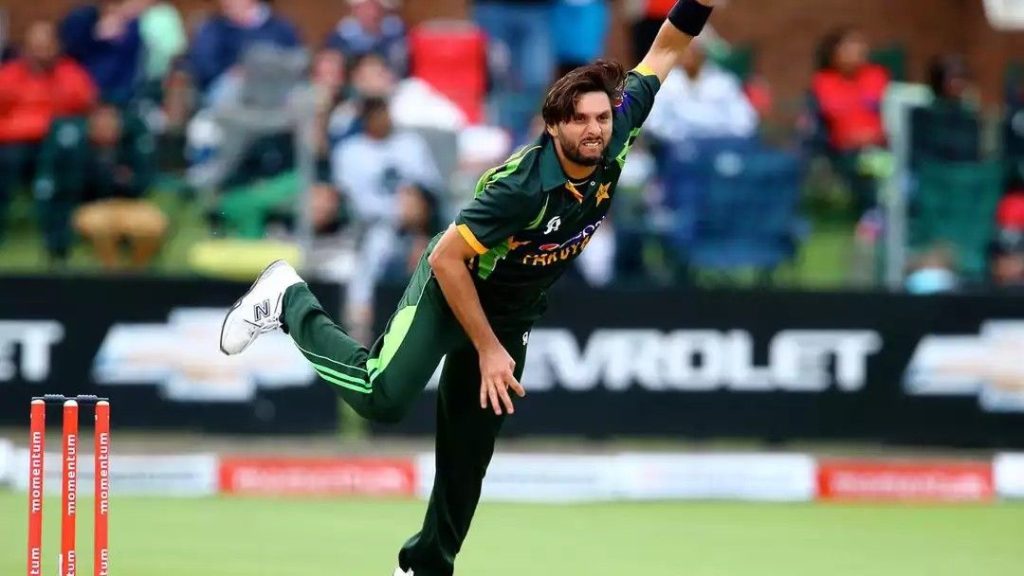
His best bowling performance in the tournament was 4 for 11. Afridi maintained a bowling average of 23.25 with an economy rate of 6.71, which is strong for a fast-scoring T20 format.
8. Anrich Nortje: 38 Wickets
Anrich Nortje took 38 wickets in T20 World Cups during the 2021–2026 period, with best bowling figures of 4 for 7. He bowled 71.5 overs, recorded a bowling average of 11.4, and stood out with an outstanding economy rate of 5.55.
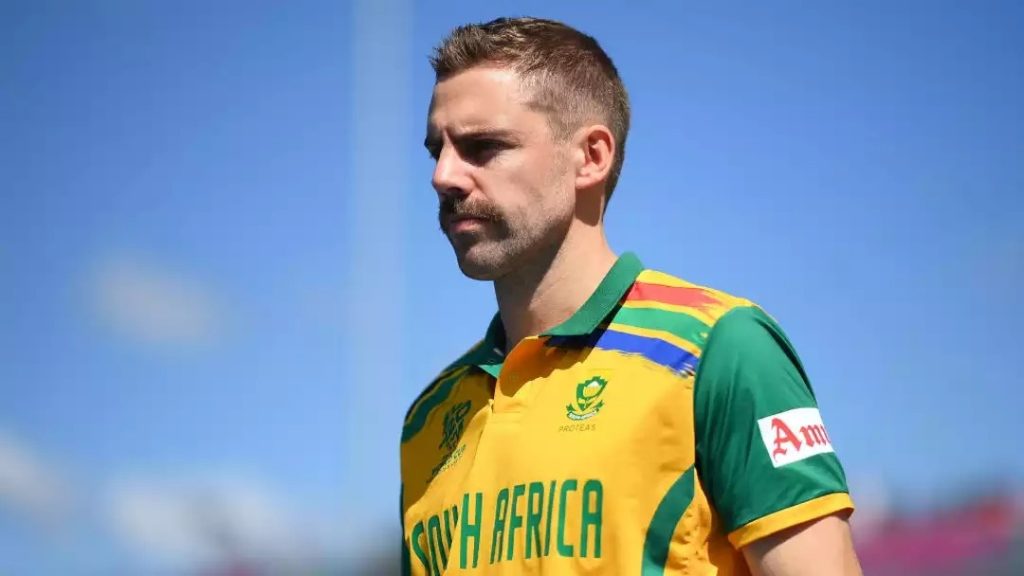
Known for raw pace, Nortje regularly clocked 150 kph and above, using speed and bounce to restrict scoring while breaking partnerships for South Africa in key matches.
9. Lasith Malinga: 38 Wickets
The pacer from Sri Lanka, Lasith Malinga, was a major threat in the T20 World Cups between 2007 and 2014. He played 31 matches and claimed 39 wickets. His best performance came with figures of 5 for 31.
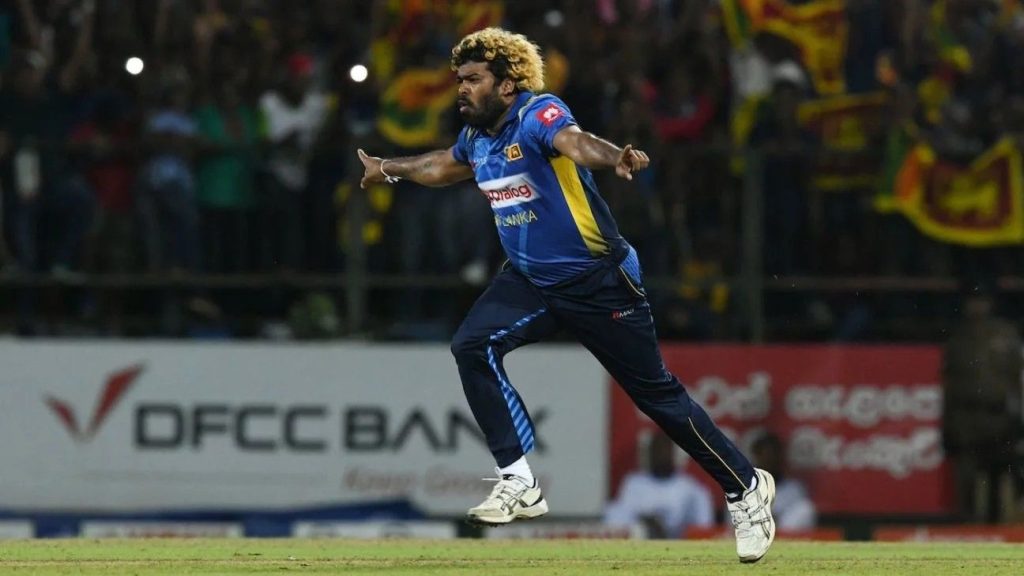
Malinga maintained a strong bowling average of 20.07 and an economy rate of 7.43. His ability to strike regularly and deliver decisive overs made him a crucial weapon for Sri Lanka in T20 World Cup contests.
10. Saeed Ajmal: 36 Wickets
Saeed Ajmal claimed 36 wickets in the T20 World Cups during the 2009–2014 period, with best bowling figures of 4 for 19. He bowled 89.2 overs, recorded a bowling average of 16.86, and kept an economy rate of 6.79.
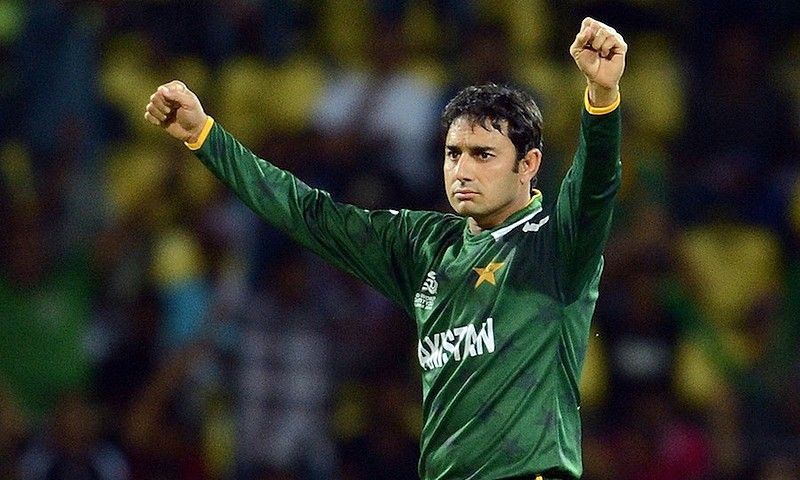
During this golden five-year phase, Ajmal emerged as Pakistan’s go-to mystery bowler, peaking in high-pressure tournaments where his guile outfoxed global stars.
11. Tim Southee: 36 wickets
Tim Southee picked up 36 wickets in T20 World Cups during the 2010–2024 span, with best bowling figures of 3 for 4. He delivered 92.1 overs, finished with a bowling average of 17.91, and an economy rate of 6.99.
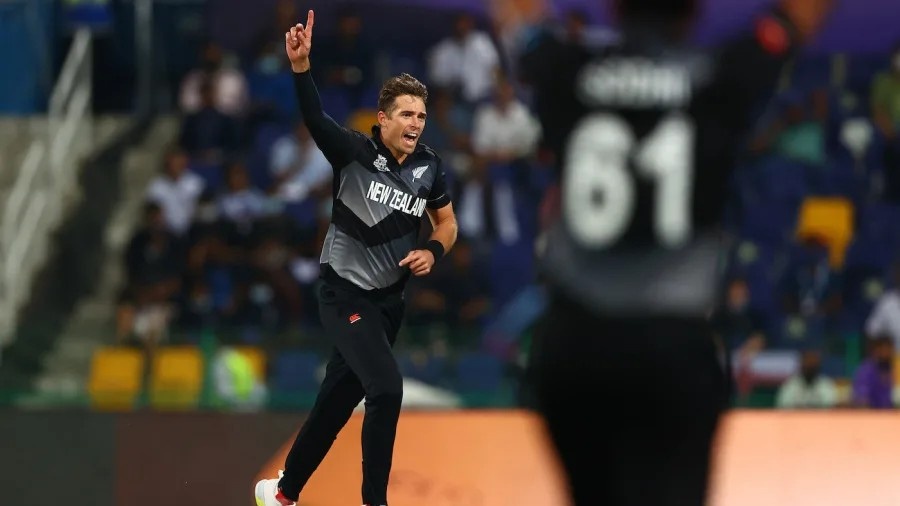
Representing New Zealand, Southee played a key role with the new ball and at the death across multiple tournaments. Beyond World Cups, he also stands as the second-highest wicket-taker in overall T20 internationals.
12. Ajantha Mendis: 35 Wickets
Ajantha Mendis took 35 wickets in T20 World Cups during the 2009–2014 span, with a standout best of 6 for 8, one of the best bowling figures in tournament history.
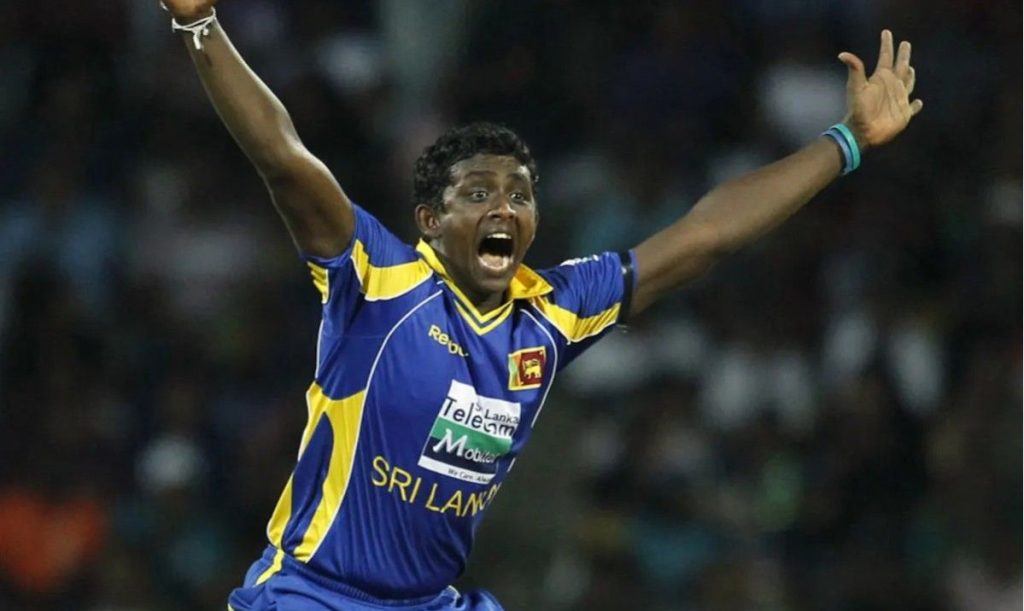
He bowled 78.3 overs, finished with a bowling average of 15.02, and kept an economy rate of 6.7. With his carrom balls and variations, Mendis played a key role in Sri Lanka’s campaigns during this period.
Related Reads:
Conclusion: Shakib Al Hasan Is The Leading Wicket Taker In The T20 World Cup
The list of highest wicket takers in T20 World Cup history highlights how consistency across multiple editions defines great tournament bowlers. Shakib Al Hasan (BAN) leads the chart with 50 wickets, making him the most successful bowler in the tournament’s history so far.
Several other bowlers including Adam Zampa, Adil Rashid, and Rashid Khan continue to climb the list with strong performances in recent editions. With every new T20 World Cup bringing fresh talent and more matches, the race for the top wicket taking record will remain one of the most interesting statistical battles in the tournament.