The BCCI has introduced a dramatic new regulation mid-way through IPL 2026. Consequently, benched players can no longer move around the ground during matches. The board informed all IPL franchises of the changes. Furthermore, only players named in the 16-man team sheet can enter the field.
Only 16-Man Squad Can Access Playing Area
Under the latest regulations, substitute players outside the designated 16-man matchday squad cannot enter the field. Additionally, they cannot carry drinks, bats, or deliver messages to players on the field.
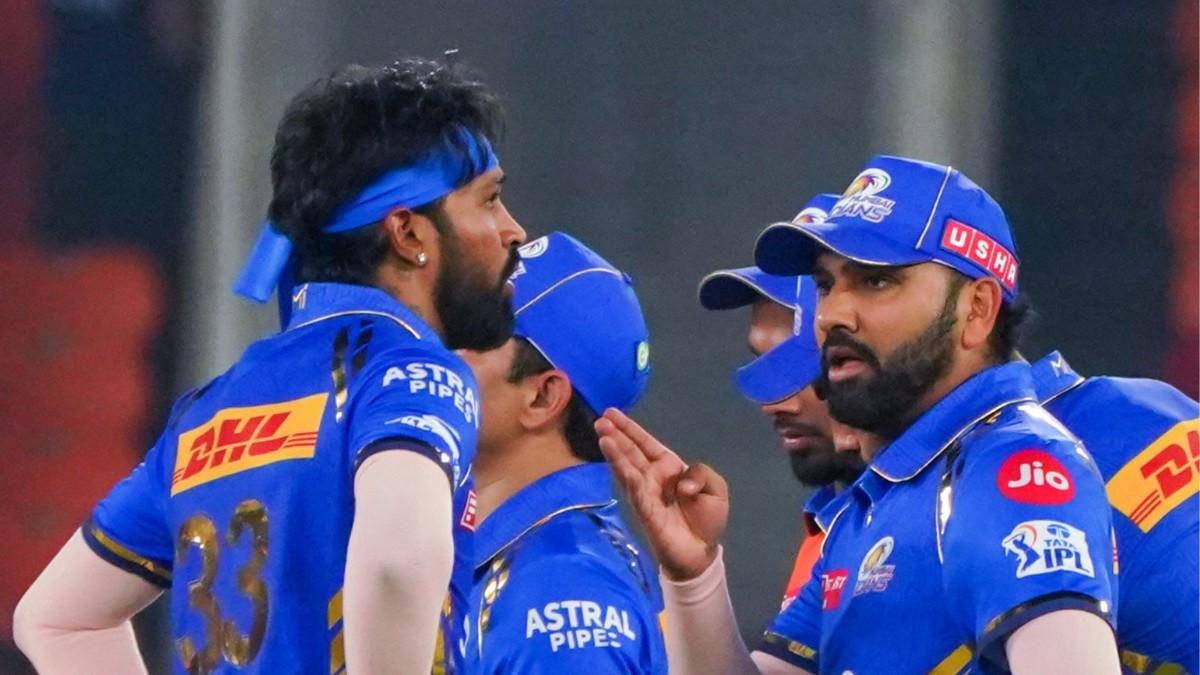
“Instructions have reached us only recently that all substitutes cannot move around during the match. Moreover, they cannot carry drinks onto the field. Only the 16 named in the team for the match can do so,” multiple sources told Cricbuzz.
Five Non-Playing XI Members Allowed Movement
However, the new rule permits five players outside the playing XI to move around the field. Meanwhile, the remaining benched players must sit in the dugout. As a result, they cannot move between the boundary line and the LED advertising boards.
“In addition, only five outside the playing XI can move around. The others can sit in the dugout but cannot move between the boundary line and the LED advertising boards,” sources confirmed.
Addition to Existing Match Playing Conditions
The latest ruling adds to existing clauses 11.5.2 and 24.1.4 in the Match Playing Conditions.
Clause 11.5.2 states: “An individual player may receive a drink either on the boundary edge or at the fall of a wicket. However, no other drinks shall reach the field without the umpires’ permission.”
Similarly, Clause 24.1.4 reads: “Squad members of the fielding or batting team who are not playing in the match must wear a team training bib whilst on the playing area.”
Related Reads
- BCCI Warns IPL Captains on Catch Rules Before IPL 2026
- Top 10 Highest Partnerships In IPL History (2026 List)
Nevertheless, the specific reasoning behind the mid-season changes remains unclear. The IPL Governing Council has not issued an official statement explaining the motivation for these restrictions.