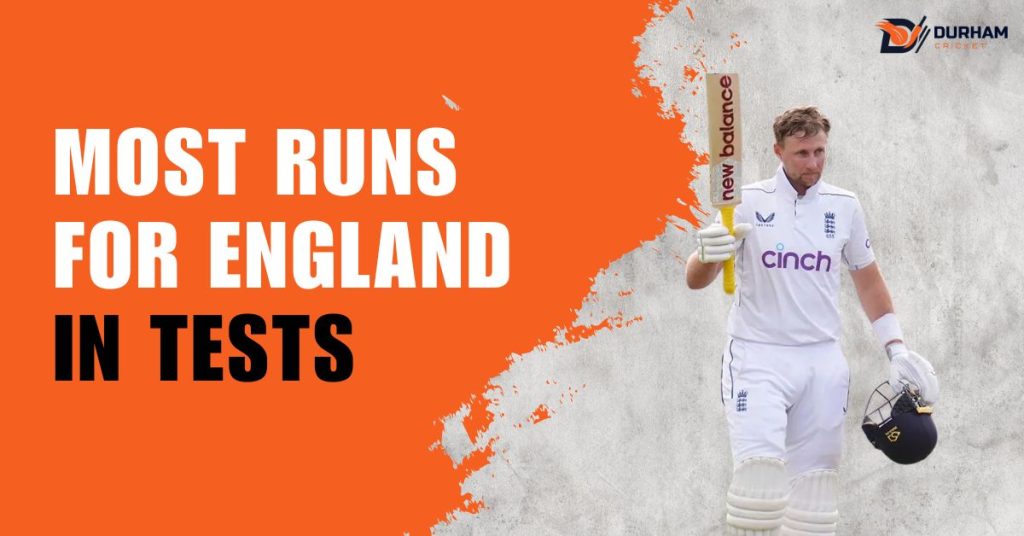
From the first Test in 1877 to the high-tempo Bazball era, England’s red-ball history has been built on heavy run-scoring.
No one has carried that legacy further than Joe Root, now England’s highest run-scorer in Test cricket with more than 13,943 runs and 41 centuries. Before him came Alastair Cook’s opening endurance and Graham Gooch’s captaincy-era surge.
Across 1,094-plus Tests and over 400 victories, England’s batting story spans grit, discipline, and modern aggression, but the leaderboard today begins with Root at the summit.
Most Runs For England in Tests – Top 10
| Player | Span | Tests | Inns | Runs | Avg | 100s | 50s | HS |
|---|---|---|---|---|---|---|---|---|
| Joe Root | 2012–2026 | 163 | 298 | 13,943 | 51.07 | 41 | 66 | 262 |
| Alastair Cook | 2006–2018 | 161 | 291 | 12,472 | 45.35 | 33 | 57 | 294 |
| Graham Gooch | 1975–1995 | 118 | 215 | 8,900 | 42.58 | 20 | 46 | 333 |
| Alec Stewart | 1990–2003 | 133 | 235 | 8,463 | 39.54 | 15 | 45 | 190 |
| David Gower | 1978–1992 | 117 | 204 | 8,231 | 44.25 | 18 | 39 | 215 |
| Kevin Pietersen | 2005–2014 | 104 | 181 | 8,181 | 47.28 | 23 | 35 | 227 |
| Geoff Boycott | 1964–1982 | 108 | 193 | 8,114 | 47.72 | 22 | 42 | 246* |
| Michael Atherton | 1989–2001 | 115 | 212 | 7,728 | 37.69 | 16 | 46 | 185* |
| Ian Bell | 2004–2015 | 118 | 205 | 7,727 | 42.69 | 22 | 46 | 235 |
| Colin Cowdrey | 1954–1975 | 114 | 188 | 7,624 | 44.06 | 22 | 38 | 182 |
1. Joe Root (13,943 Runs)
With 13,943 Test runs, Joe Root stands as England’s all-time leading run-scorer and the defining batter of the modern era.

His transformation after 2021 elevated him from elite to historic, as he produced 18 centuries in 91 innings during his peak stretch. Relieved of captaincy in 2022, he flourished under England’s aggressive philosophy while maintaining technical discipline. His 262 in Multan in 2024 carried him beyond Cook’s long-standing record.
Across continents, he has scored heavily against both spin and pace, with 41 hundreds from 298 innings reflecting sustained conversion rather than short bursts of dominance.
| Tests | Inns | Runs | Avg | 100s | 50s | HS |
|---|---|---|---|---|---|---|
| 163 | 298 | 13,943 | 51.07 | 41 | 66 | 262 |
2. Alastair Cook (12,472 Runs)
England’s former benchmark was built on 12,472 Test runs from 161 matches, scored almost entirely under new-ball pressure. Cook absorbed the hardest overs for over a decade, compiling 33 centuries with unwavering concentration.
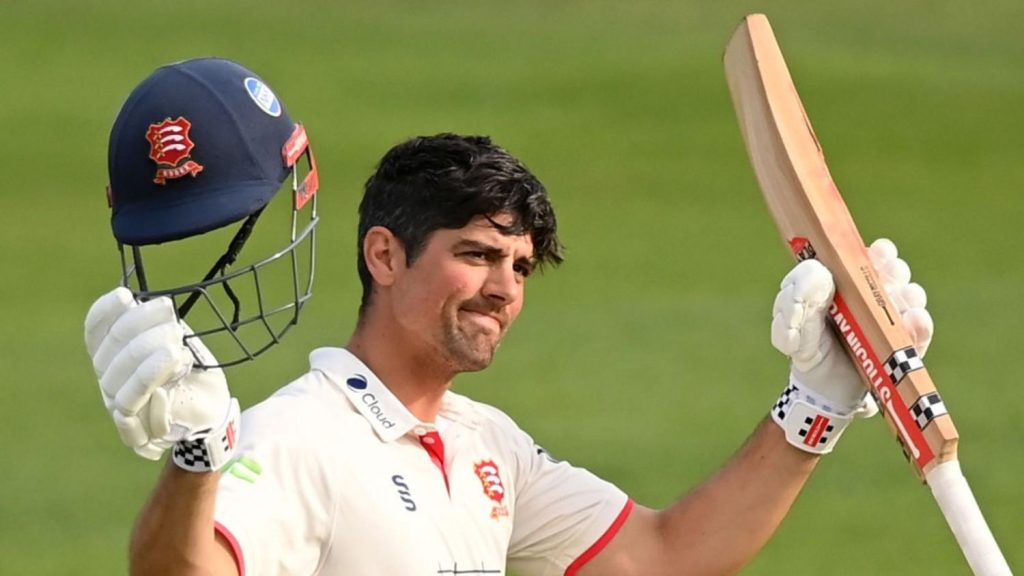
His 766 runs in the 2010–11 Ashes in Australia remain one of England’s greatest overseas batting displays. The 294 at Edgbaston in 2011 demonstrated not flair but relentless occupation.
He also averaged above 60 in Asia, an extraordinary achievement for an English opener. His record 159 consecutive Tests underline durability rarely seen in modern cricket.
| Tests | Inns | Runs | Avg | 100s | 50s | HS |
|---|---|---|---|---|---|---|
| 161 | 291 | 12,472 | 45.35 | 33 | 57 | 294 |
3. Graham Gooch (8,900 Runs)
Few English batters aged into dominance the way Graham Gooch did. His most productive stretch came in his late 30s, when he led from the front and averaged close to 58 as captain in the early 1990s.
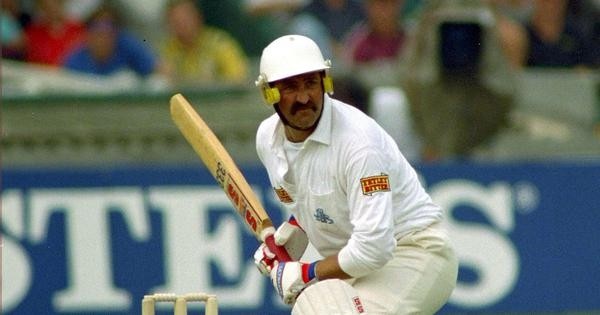
The defining moment remains Lord’s 1990, 333, and 123 against India, a world-record 456 runs in a single Test match. Across 118 Tests, Gooch accumulated 8,900 runs and 20 centuries, often against the world’s most feared pace attacks.
His 154 at Headingley against West Indies’ quartet of Ambrose, Marshall, Patterson, and Walsh stands as one of England’s toughest hundreds. Discipline, fitness, and appetite for “daddy hundreds” shaped his legacy.
| Tests | Inns | Runs | Avg | 100s | 50s | HS |
|---|---|---|---|---|---|---|
| 118 | 215 | 8,900 | 42.58 | 20 | 46 | 333 |
4. Alec Stewart (8,463 Runs)
Versatility defined Alec Stewart’s Test career more than raw numbers ever could. He opened, kept wicket, dropped down the order, and still finished with 8,463 runs across 133 Tests.
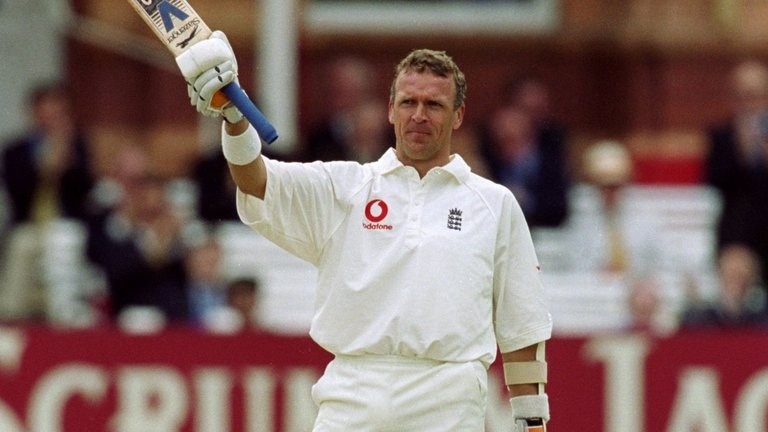
His twin centuries in Barbados in 1993–94 broke a 59-year drought for England at Kensington Oval. When relieved of wicketkeeping duties, his average climbed close to 47, revealing the statistical cost of dual roles.
Stewart’s 15 centuries came in 235 innings during a transitional era for England, and his 173 at Auckland remains one of the finest scores by an England wicketkeeper of that time. Adaptability was his true currency.
| Tests | Inns | Runs | Avg | 100s | 50s | HS |
|---|---|---|---|---|---|---|
| 133 | 235 | 8,463 | 39.54 | 15 | 45 | 190 |
5. David Gower (8,231 Runs)
Grace and productivity rarely align as neatly as they did in David Gower’s career. His 215 at Edgbaston in 1985 symbolised England’s Ashes resurgence, and nine of his 18 Test centuries came against Australia.
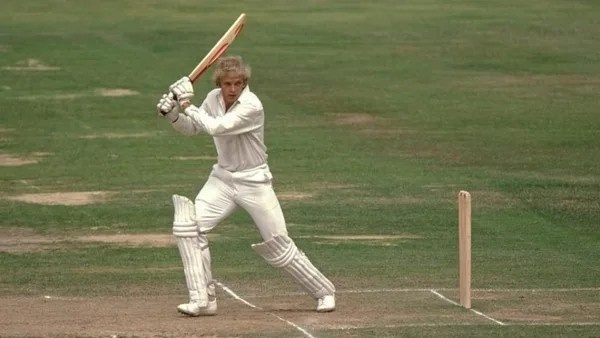
Across 117 Tests, Gower compiled 8,231 runs at an average of 44.25, averaging higher overseas than at home.
His wristwork and low backlift enabled him to manipulate the field without visible strain. Though occasionally criticised for lapses in concentration, the volume and consistency of his output across 204 innings confirm sustained elite performance.
| Tests | Inns | Runs | Avg | 100s | 50s | HS |
|---|---|---|---|---|---|---|
| 117 | 204 | 8,231 | 44.25 | 18 | 39 | 215 |
6. Kevin Pietersen (8,181 Runs)
Few England batters altered the tempo of Test cricket like Kevin Pietersen. His counter-attacking 158 at The Oval in 2005 secured the Ashes and announced a new psychological approach. Over 104 Tests, he amassed 8,181 runs at 47.28, striking 23 centuries.
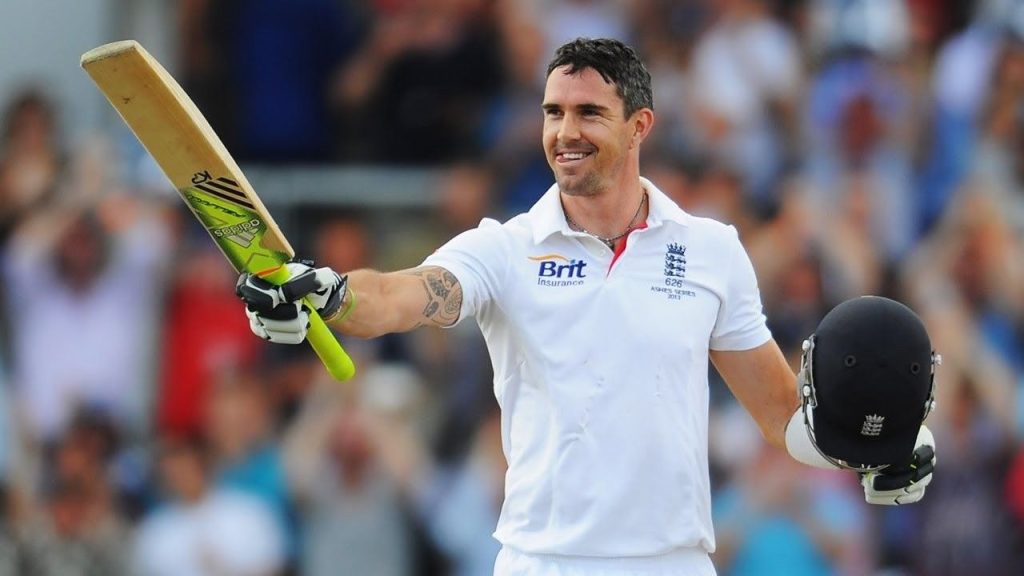
By his 78th Test, he averaged above 50, placing him among the elite globally at the time. The 227 at Adelaide in 2010 and 186 in Mumbai in 2012 showed he could dominate pace and spin alike.
Pietersen fused aggression with accumulation in ways English batting had rarely seen.
| Tests | Inns | Runs | Avg | 100s | 50s | HS |
|---|---|---|---|---|---|---|
| 104 | 181 | 8,181 | 47.28 | 23 | 35 | 227 |
7. Geoffrey Boycott (8,114 Runs)
Occupation of the crease was Geoffrey Boycott’s method, and it built one of England’s most durable records. His 246 at Headingley in 1967 lasted nearly ten hours and typified his attritional style. Across 108 Tests, he accumulated 8,114 runs at 47.72 with 22 centuries
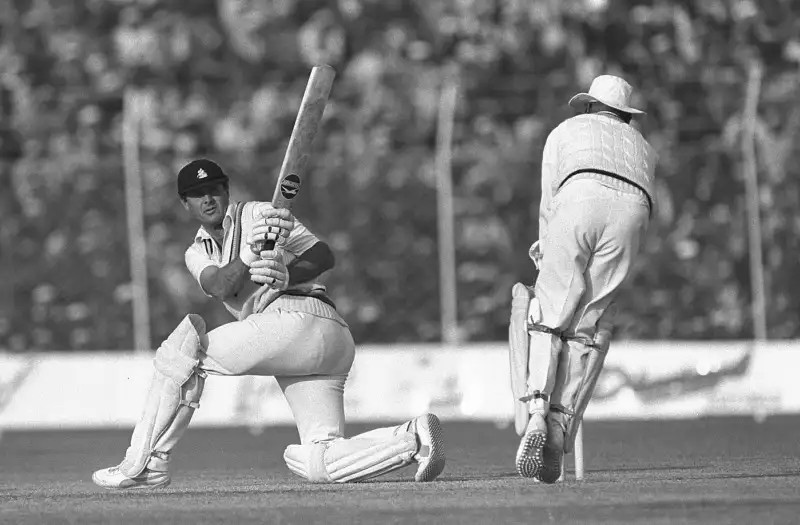
Remarkably, England never lost a Test in which he scored a hundred. Even into his forties, he negotiated the West Indies pace battery with discipline and late play.
Boycott valued denial over spectacle, and the numbers validate the strategy.
| Tests | Inns | Runs | Avg | 100s | 50s | HS |
|---|---|---|---|---|---|---|
| 108 | 193 | 8,114 | 47.72 | 22 | 42 | 246* |
8. Michael Atherton (7,728 Runs)
Atherton’s 7,728 runs came during an era of dominant fast bowling. His 185 at Johannesburg in 1995–96 consumed 643 minutes against Donald and Pollock to save a Test.
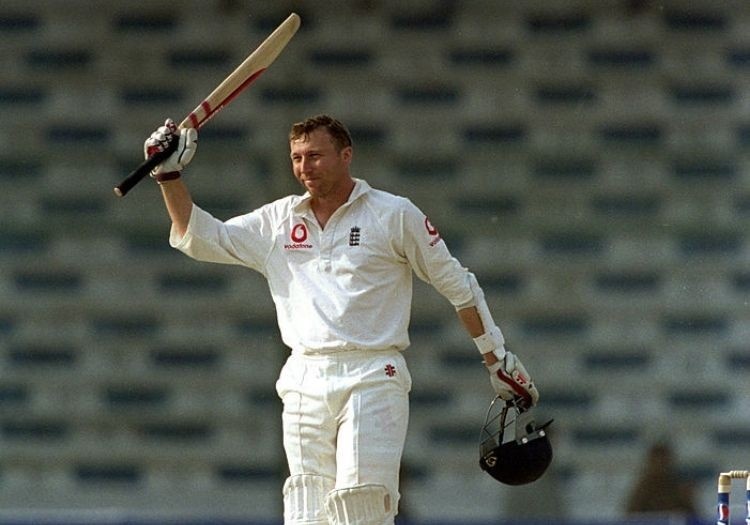
Sixteen centuries across 212 innings highlight resilience more than flamboyance. Though dismissed by McGrath 19 times, he consistently shielded a fragile lineup.
His average of 37.69 appears modest, but context reveals the grind of opening in hostile eras with limited support.
| Tests | Inns | Runs | Avg | 100s | 50s | HS |
|---|---|---|---|---|---|---|
| 115 | 212 | 7,728 | 37.69 | 16 | 46 | 185* |
9. Ian Bell (7,727 Runs)
Ian Bell’s 7,727 Test runs combined technical elegance with hardened maturity. Across 118 Tests and 205 innings, he struck 22 centuries, peaking between 2010 and 2013 when he compiled 562 runs in the 2013 Ashes.
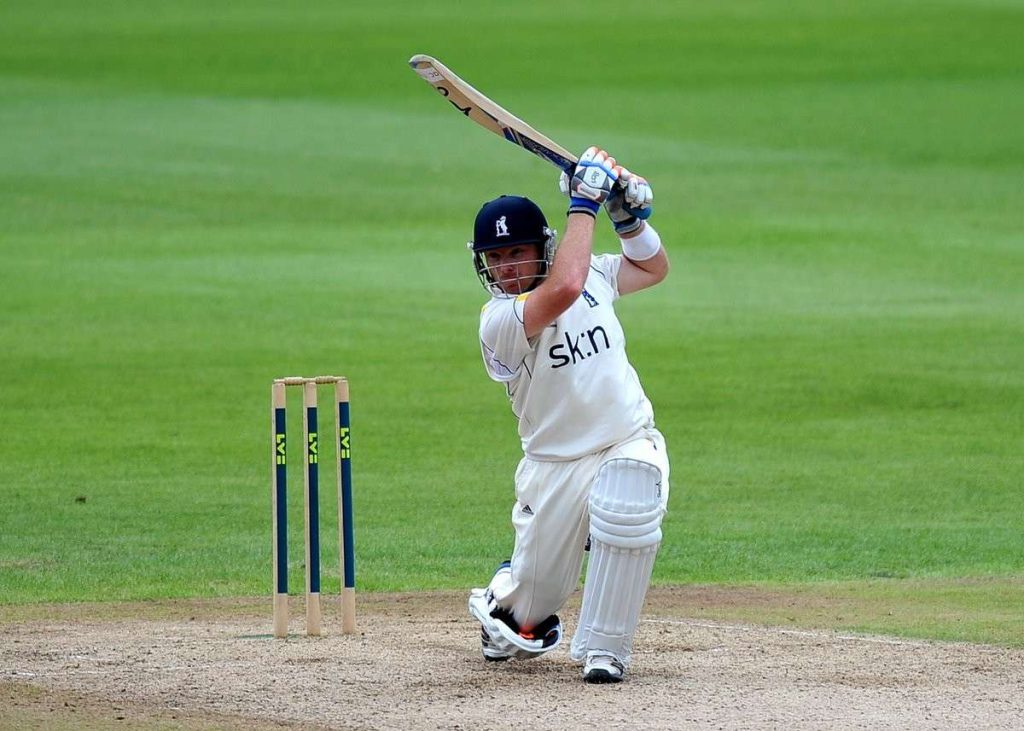
His 235 at The Oval in 2011 reinforced England’s rise to No.1 in the ICC rankings. A defining feature of his career across 118 Tests and 161 ODIs was his cover drive, a stroke that became especially prominent during the 2010–11 Ashes, executed with balance, precise footwork, and late contact.
Over time, Bell evolved from stylist to dependable middle-order anchor, answering early doubts with sustained output under pressure.
| Tests | Inns | Runs | Avg | 100s | 50s | HS |
|---|---|---|---|---|---|---|
| 118 | 205 | 7,727 | 42.69 | 22 | 46 | 235 |
10. Colin Cowdrey (7,624 Runs)
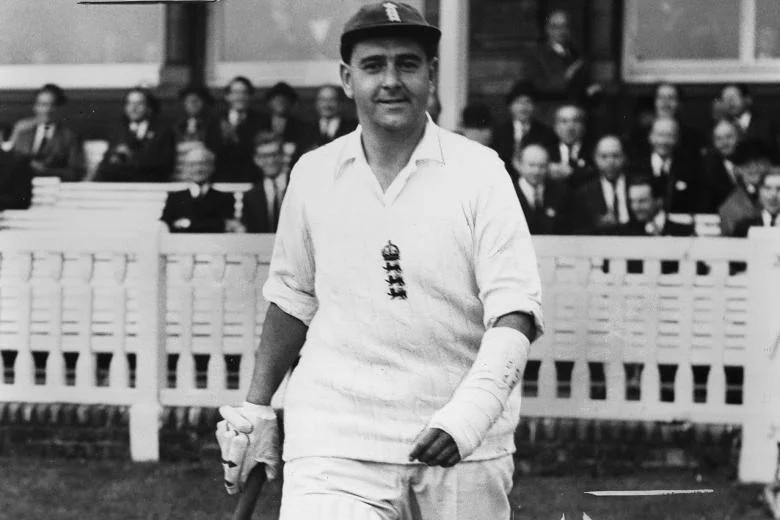
Colin Cowdrey bridged eras with poise and durability. The first cricketer to reach 100 Test caps, he finished with 7,624 runs across 114 matches and 22 centuries.
Suggested Reads:
His 182 against Pakistan and a century in his 100th Test remain historic markers. Beyond batting, he set a slip-catching benchmark with 120 Test catches.
Spanning two decades, Cowdrey’s career provided structural stability during England’s post-war rebuilding years.
| Tests | Inns | Runs | Avg | 100s | 50s | HS |
|---|---|---|---|---|---|---|
| 114 | 188 | 7,624 | 44.06 | 22 | 38 | 182 |